Property for Sale in South Africa

Photo 1 of 30
ZAR 69.00M

Ultra-Luxury Vineyard Villa with Private Wellness & Cinema Retreat

HouseSouth AfricaSante Winelands estate, Paarl, Western Cape, 7646
Tenure
Freehold

A fully furnished six-bedroom, six-bathroom villa on a 1.6-hectare stand in a security estate near Paarl, with mountain and water views. It has a lift to every level, a home theatre, a wine cellar, three dining areas and an indoor braai with a pizza oven. Two…

Weekly alert

New South Africa listings, once a week

Pick a budget and we email the week's new listings in South Africa every Tuesday. One email, six at most, nothing when nothing is new.

Budget

Market: South Africa. Stop any week from the email. By joining you agree to the terms and privacy policy.

South Africa

Property for sale in South Africa: new developments and resale homes, listed by the developers and agents selling them, with prices and a buying guide.

Also in the region: Property for sale in Kenya, Property for sale in Mauritius

Property for sale in South Africa: questions buyers ask

How much does property in South Africa cost?from today's listings

Property in South Africa on INTRIC runs from ZAR 499K to ZAR 78.00M, in Cape Town, Johannesburg and Durban. Prices are the sellers' own, in the listing's currency, and change as listings are added.

Can foreigners buy property in South Africa?

Yes. Non-residents buy freehold houses, apartments and land in their own name, with the same title rights as South Africans. No residency, visa or Reserve Bank approval is needed. The one rule to follow is bringing the money in through a South African bank and keeping its deal receipt, which is what lets you take capital and profit out again on sale.

What tax does an overseas buyer pay in South Africa?

Transfer duty when you buy resale property, from nothing below R1.21 million up to 13% at the top end; new builds from a VAT-registered developer carry 15% VAT instead. After that, income tax on net rent, annual municipal rates, and capital gains tax of about 18% for individuals when you sell. The buying guide lists the bands.

Freehold or sectional title in South Africa: which should I buy?

Houses and Winelands estates are usually freehold: you own the land and the building outright. Apartments and units in security estates are sectional title, with a share of the common property and a monthly levy to the body corporate. Most overseas buyers choose sectional title for the security and the lock-up-and-go convenience.

Can a non-resident get a South African mortgage?

Yes, from the major banks, but exchange control caps a non-resident at roughly 50% loan-to-value: you borrow about R1 for every R1 you bring in from abroad. Many overseas buyers pay fully from offshore, which keeps the repatriation trail simple. Rates are priced off the prime rate, with a small premium for non-residents.

Is South African property a good investment in 2026?

The weak rand makes prime homes cheap in dollars, euros and pounds, and Cape Town has grown about 8% a year against roughly 5% nationally. Prime Cape Town lets at 4% to 6% gross. The same rand that makes the price low can cut the return when you sell. Capital at risk.

Does buying property in South Africa give residency?

No. Owning property grants no immigration right. Residency comes through separate routes: the Financially Independent Permit for a net worth of R12 million or more, the Retired Person's Visa on R37,000 a month of income, or the Remote Work Visa for foreign-earned income.


Guides and insights

Buying in South Africa

Country guide · 15 minSouth Africa Investor GuideOne of the world's most open property markets for foreigners, strong USD value and Cape Town demand, balanced against rand volatility, a 50% non-resident loan cap, and exchange-control rules for repatriationOpen Freehold MarketStrong USD ValueWestern Cape OutperformsRead the guide
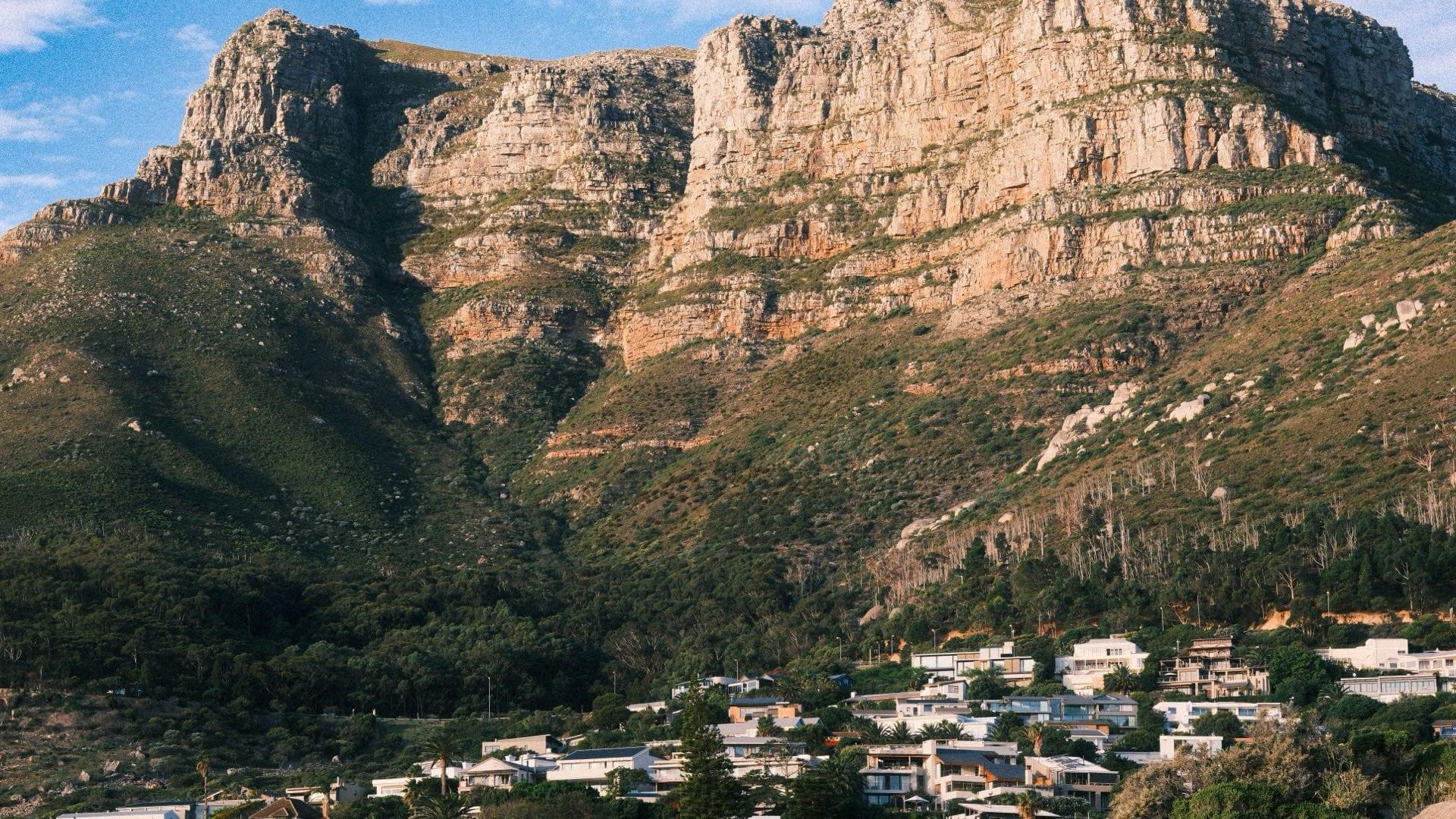
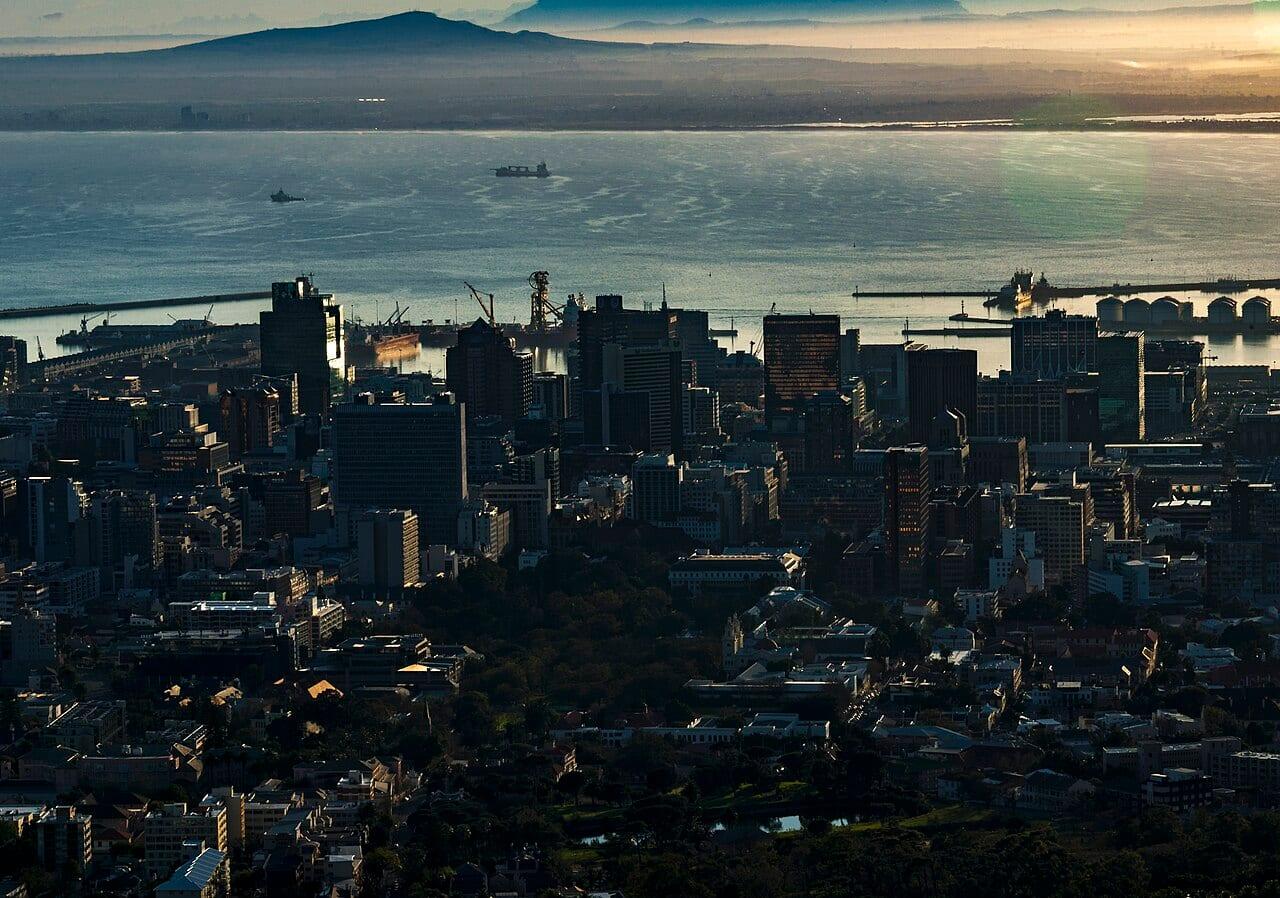
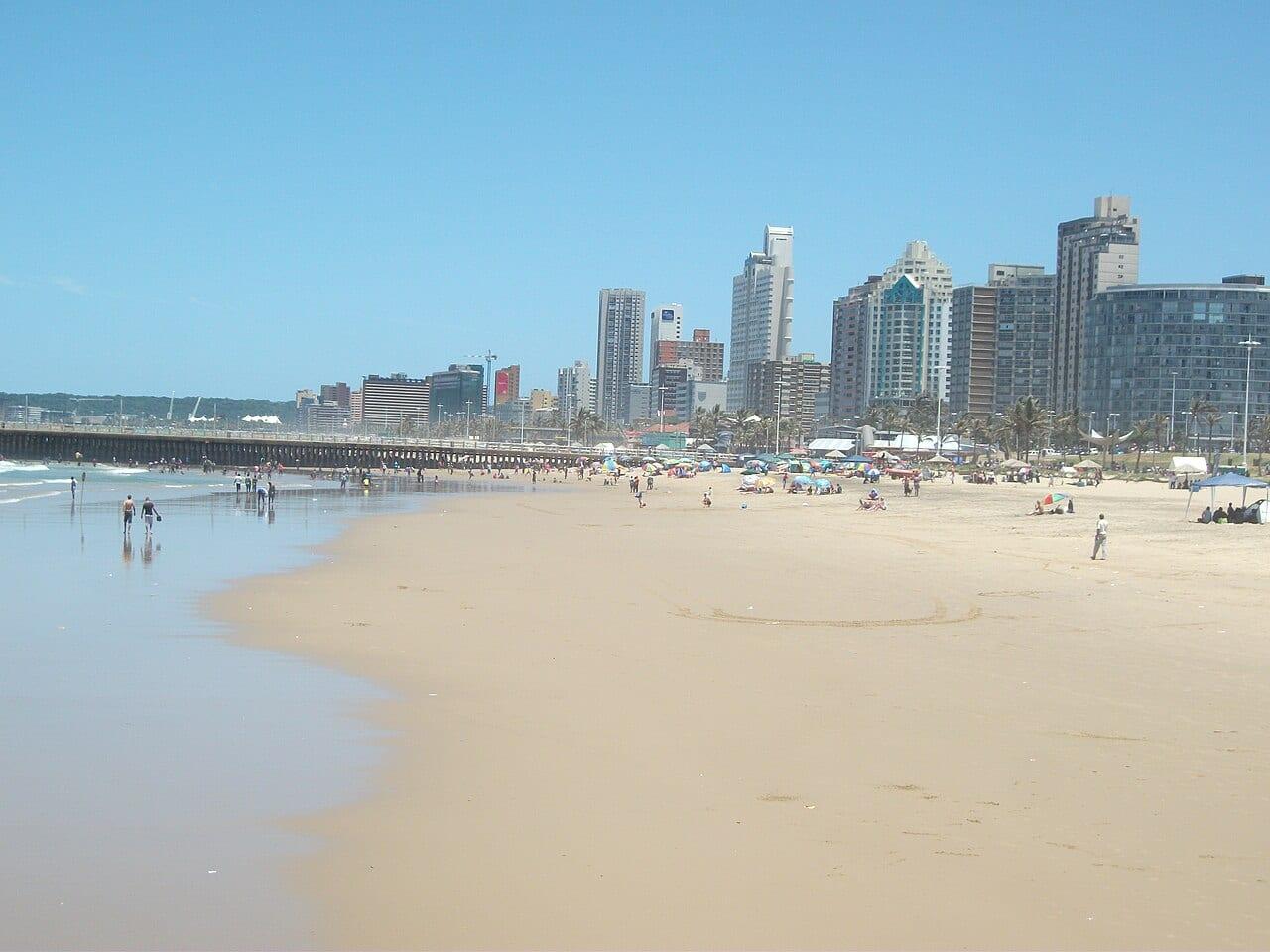
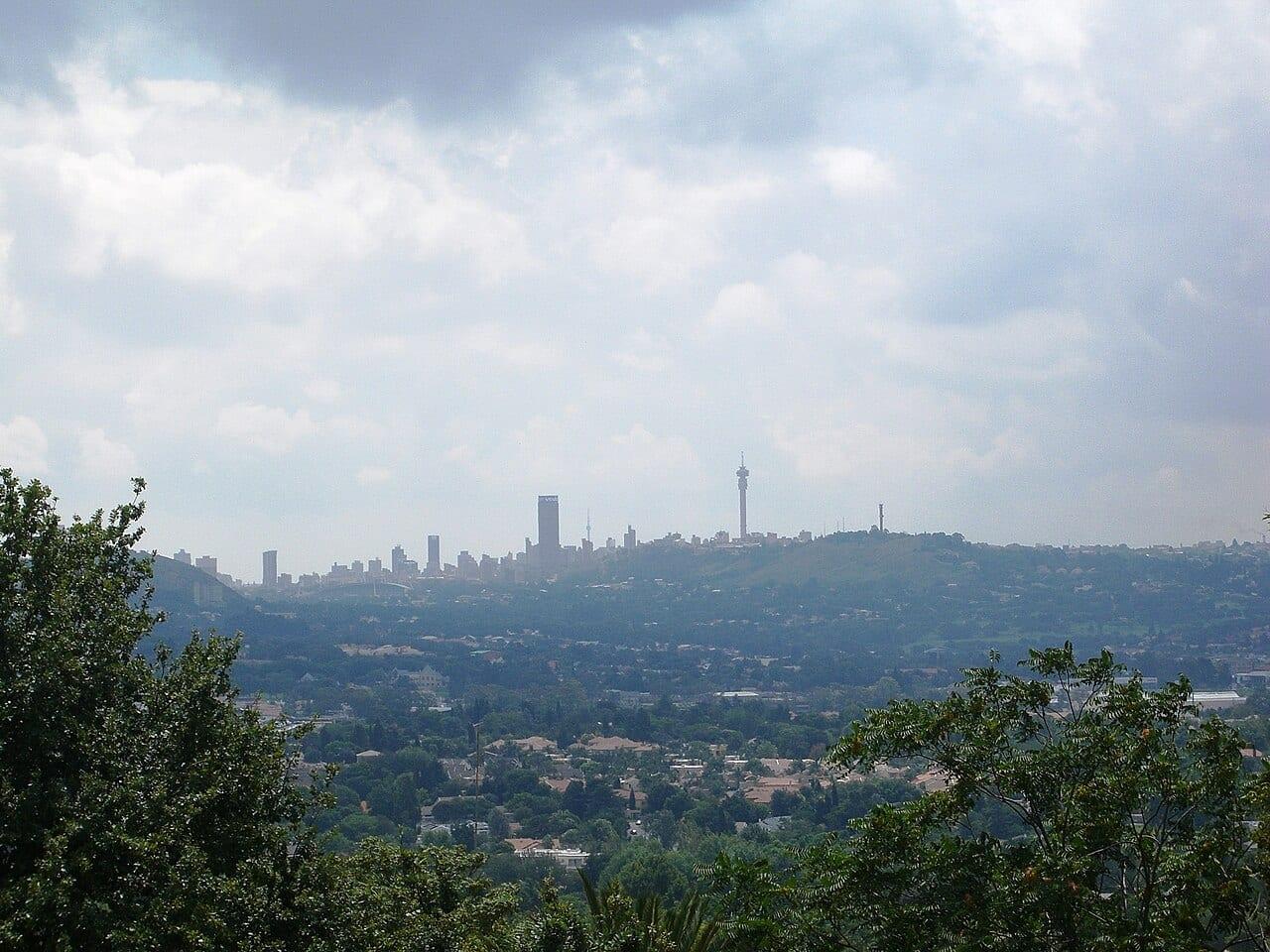
City guide · 8 minCape TownCape Town is South Africa's second-largest city and legislative capital, wrapped around the City Bowl beneath Table Mountain and fringed by the Atlantic Seaboard's beaches (Clifton, Camps Bay, Sea Point). It is consistently the country's strongest residential market: Western Cape house prices rose roughly 8–10% in the year to 2025 versus a national average nearer 4–5%. The dominant demand driver is 'semigration', affluent South Africans relocating from Gauteng and KwaZulu-Natal to the Western Cape for lifestyle, governance and safety, layered on strong international demand and an outsized tourism economy. The city is also South Africa's leading technology hub ('Silicon Cape', 450+ tech firms incl. Amazon's African operations), underpinning professional rental demand, and one of the world's largest Airbnb markets (the V&A Waterfront alone draws ~24m visitors a year). National load-shedding, severe through 2023, had largely ceased by 2025 (200+ blackout-free days), though most premium properties still run backup solar/inverters. For foreign investors, ownership is open, non-residents buy freely; the main constraint is exchange-control financing (typically max ~50% local mortgage, the balance brought in from offshore). There is NO property-based golden visa, buying grants no residency. The rand is volatile, which lowers euro entry costs but adds currency risk to returns.City guide · 8 minDurbanDurban is South Africa's third-largest city and the warm-water gateway of the Indian Ocean coast, wrapped around the busiest port in Africa. Its signature is the Golden Mile, a long beachfront promenade of surf beaches and the uShaka Marine World complex, set against a humid, year-round-swimming climate that makes KwaZulu-Natal the country's domestic-holiday capital. At roughly half the per-square-metre cost of Cape Town's Atlantic Seaboard, Durban reads as a value-and-yield market rather than a capital-gains market. The investment story of the last decade has been a clear migration of money north of the old centre to the uMhlanga / La Lucia 'New Durban' growth node, anchored by the giant Gateway mall, the uMhlanga Ridge business district and the emerging Sibaya Coastal Precinct, which now functions as the de-facto premium CBD. Domestic 'semigration' from Gauteng to the KZN coast continues to feed demand here and up the N2 toward Ballito. Honesty matters: the boom is geographically uneven. The historic inner city and parts of the beachfront fringe have declined through service strain and the aftermath of the 2021 unrest and 2022 floods, while a multi-billion-rand regeneration (Point Waterfront, Rivertown) is still a work in progress. The reliable returns sit in the northern suburbs and the Berea ridge (Morningside, Musgrave, Glenwood), where strong rental demand and established schools offset slow headline price growth. Foreigners buy freely (non-residents ~50% local finance, exchange control); there is NO property golden visa. Investors come to Durban for income and lifestyle, not the appreciation curve.City guide · 8 minJohannesburgJohannesburg is the economic engine of South Africa and the wider sub-Saharan region, the country's largest city (metro ~6.45m) and seat of the Johannesburg Stock Exchange, Africa's largest bourse. Within it, Sandton functions as the de-facto financial capital, routinely branded the 'richest square mile in Africa'. Everything is priced in the rand (ZAR), a volatile emerging-market currency, the single most important variable for a euro investor, since local price growth can be erased or amplified by ZAR moves. Joburg's defining feature is its gated-estate and security-complex culture. Demand concentrates in the affluent northern suburbs (Sandton, Bryanston, Fourways, Rosebank, Houghton) where 24-hour access control, electric fencing and private patrols are standard and priced into the asset, a response to a genuinely high city-wide crime environment, so security is a real ongoing cost, not a marketing flourish. Two honest headwinds: 'semigration' out of Gauteng to the Western Cape has pushed Cape Town's price growth (~9–10% YoY) far ahead of Gauteng's (~3% YoY), so Joburg has lagged Cape Town on capital growth for years; and load-shedding, severe in 2022–24, had largely abated by early 2026 (300+ blackout-free days). The investment thesis is the mirror image of Cape Town's: lower capital growth, but materially higher rental yields and far cheaper entry prices. There is NO property golden visa, buying confers no residency.

Neighbourhoods16 guides

All South Africa neighbourhoods

Market insights on South Africa

All market insights