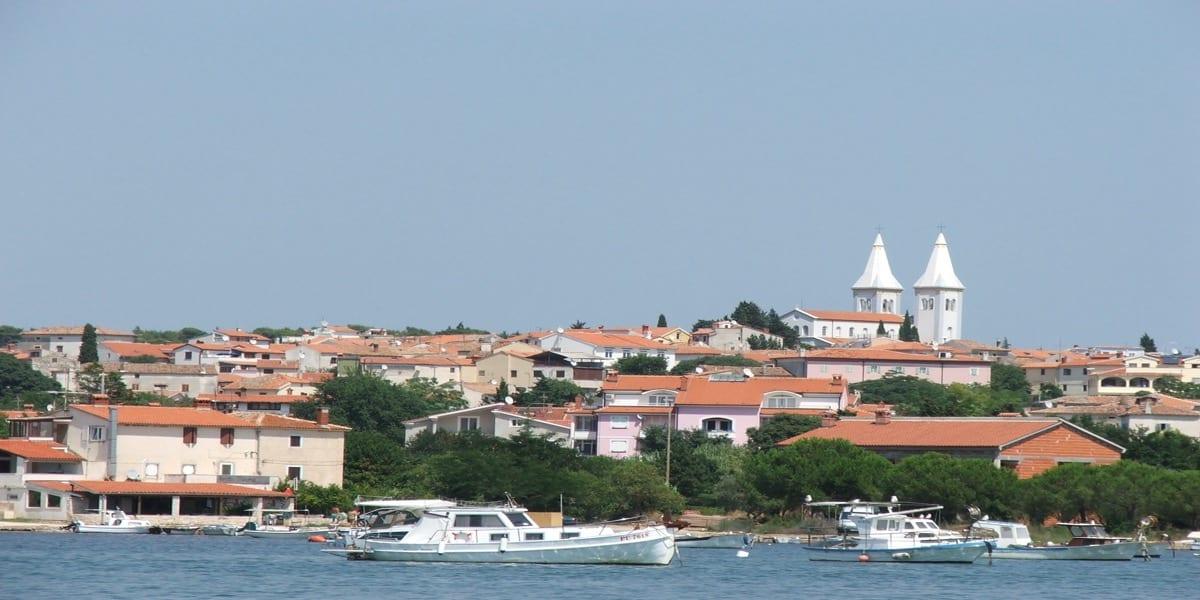

Medulin City Guide
Medulin sits at the southern tip of Istria on Medulin Bay, ten kilometres and about fifteen minutes from Pula Airport, which is the closest airport-to-town relationship of any locality on this coast. That proximity is what makes short stays viable and is the main reason Medulin functions as an explicit rental-investment market rather than a pure second-home one. The draw is Bijeca, the only sandy beach in the area, the protected wild coastline of Cape Kamenjak beyond Premantura, and a marina. Asking prices reached 4,024 euros per square metre in July 2026, up 9.5 percent year on year, with Pjescana Uvala and Vinkuran the most expensive addresses within the municipality and Premantura and Pomer the cheapest. Buyers should understand the shape of the market before entering it: there were 1,579 properties for sale against 18 long-term rental listings, which is a market built for summer letting and close to nothing in winter.
On INTRIC now — Residences in Croatia are open to enquiry straight from this page.
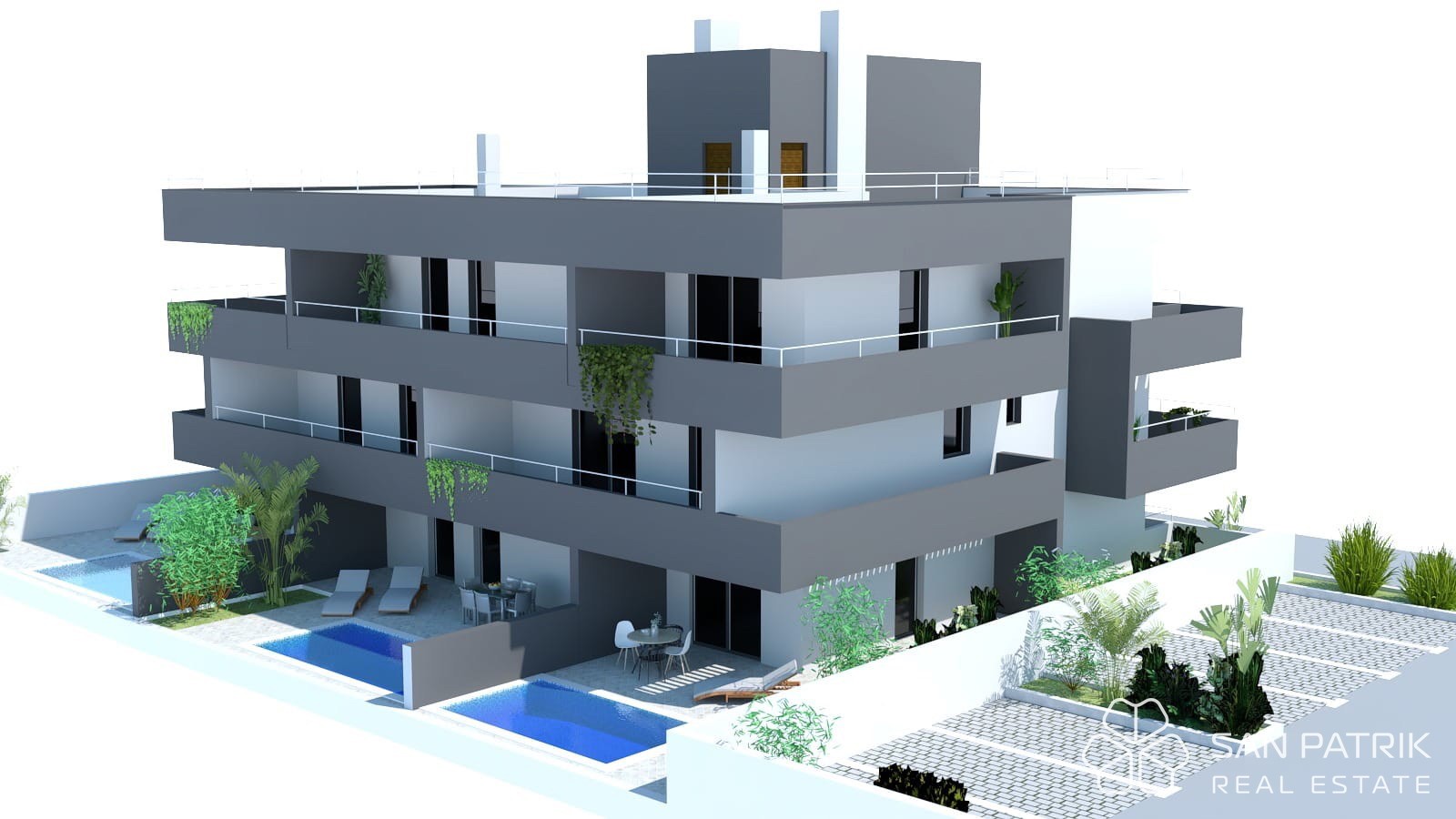
New-Build Residences in Nin
APARTMENT · Goranska ulica, Nin, Zadar County, Croatia
EUR 200.0K – EUR 449K
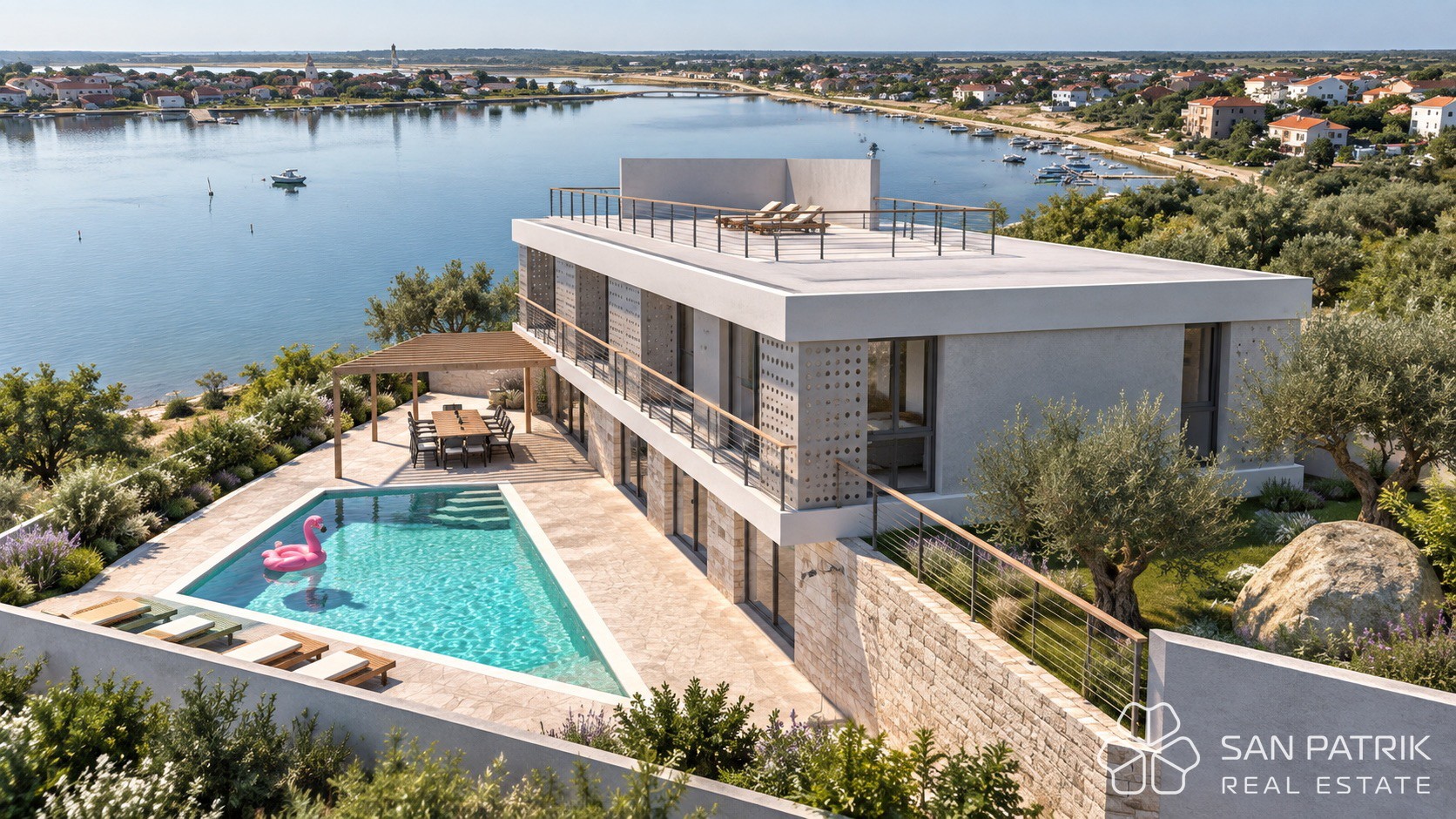
Nin Seafront Villa Project
LAND · 23232 Nin, Zadar County, Croatia
From EUR 1.00M
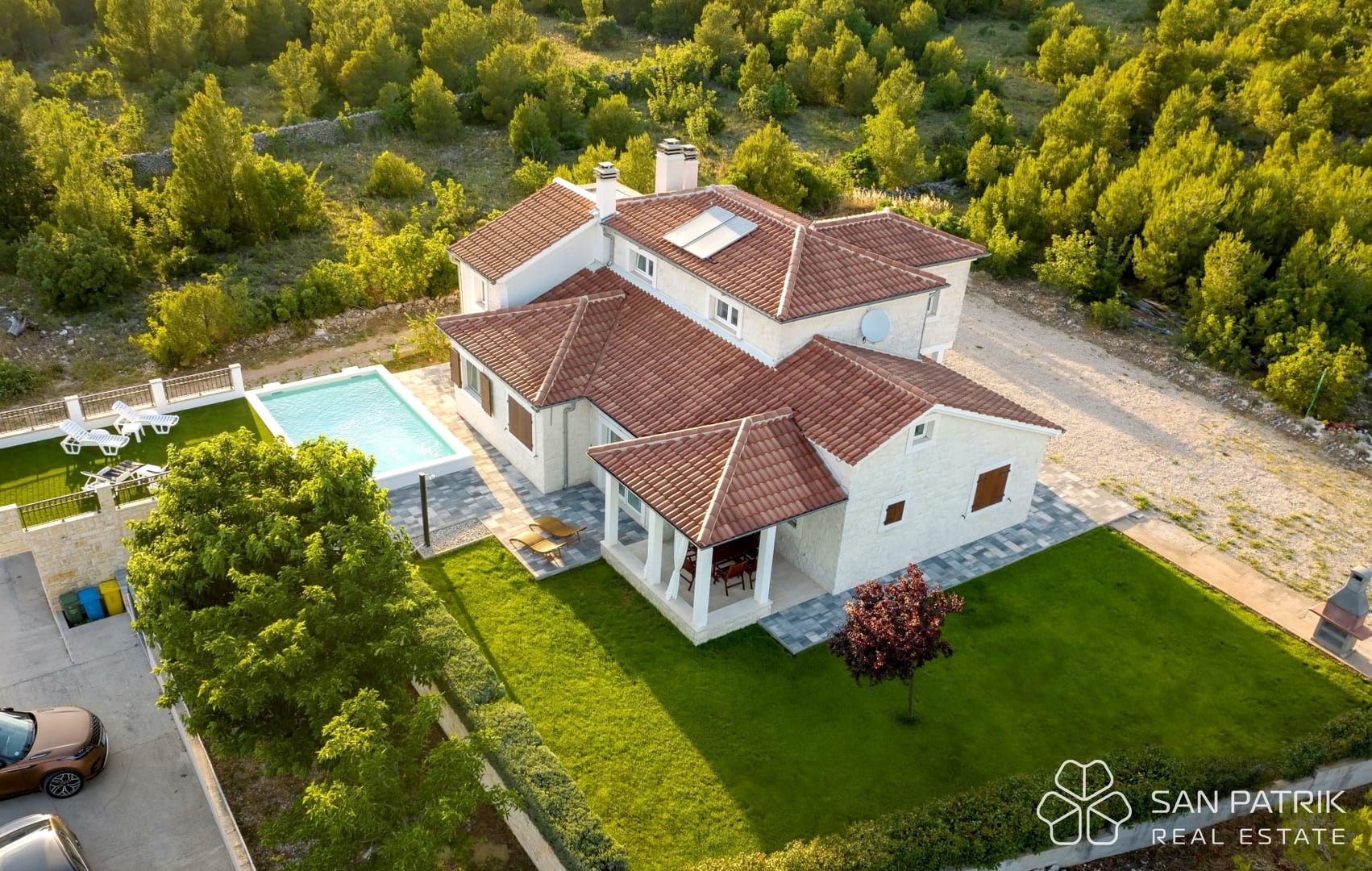
Dubrava Poolside Villa
VILLA · Dubrava kod Šibenika, 22000 Šibenik-okolica, Šibenik-Knin County, Croatia
From EUR 720K
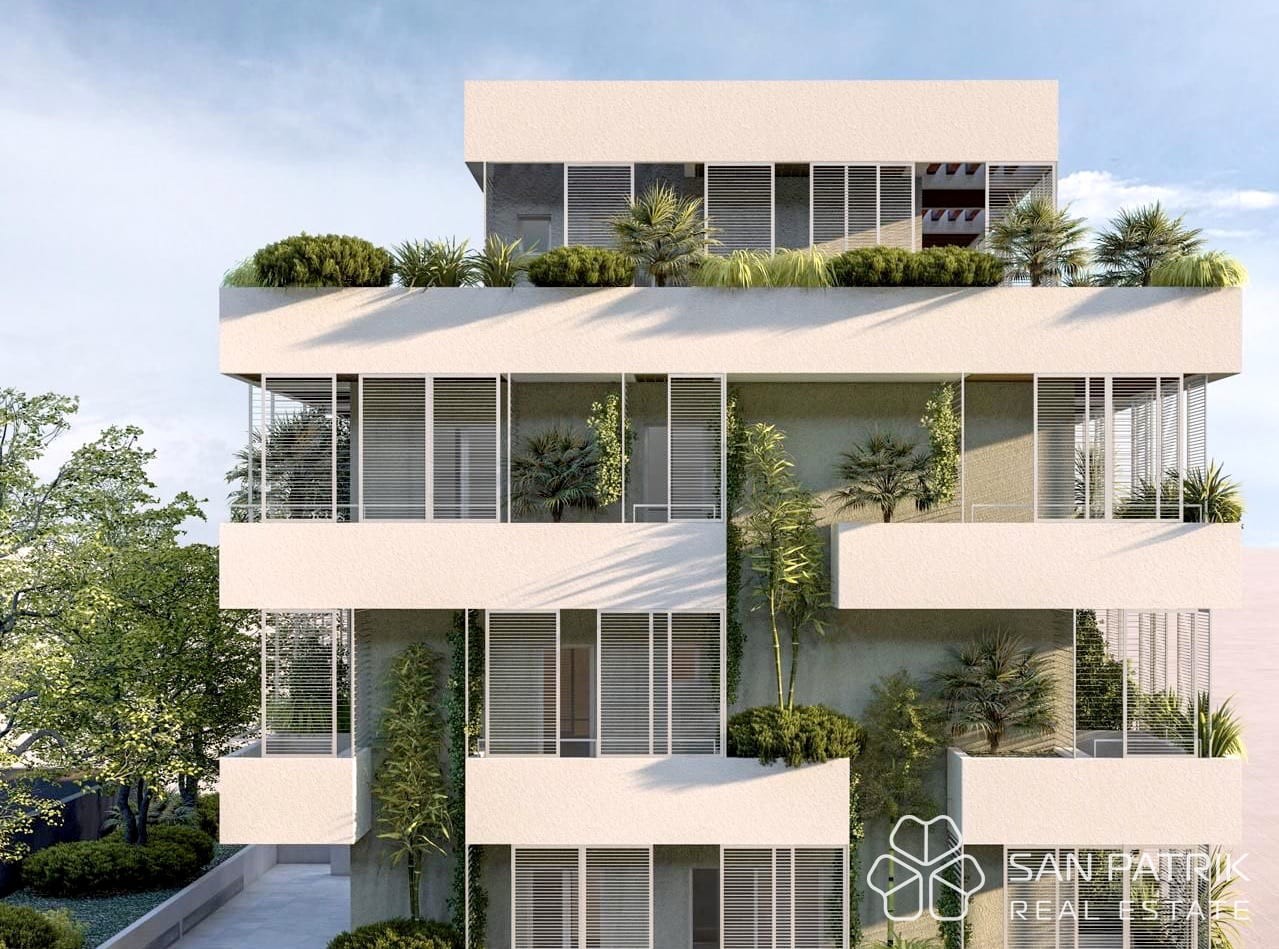
Žnjan City Suite
Apartment · Žnjan, 21000 Split, Split-Dalmatia County, Croatia
From EUR 396.7K
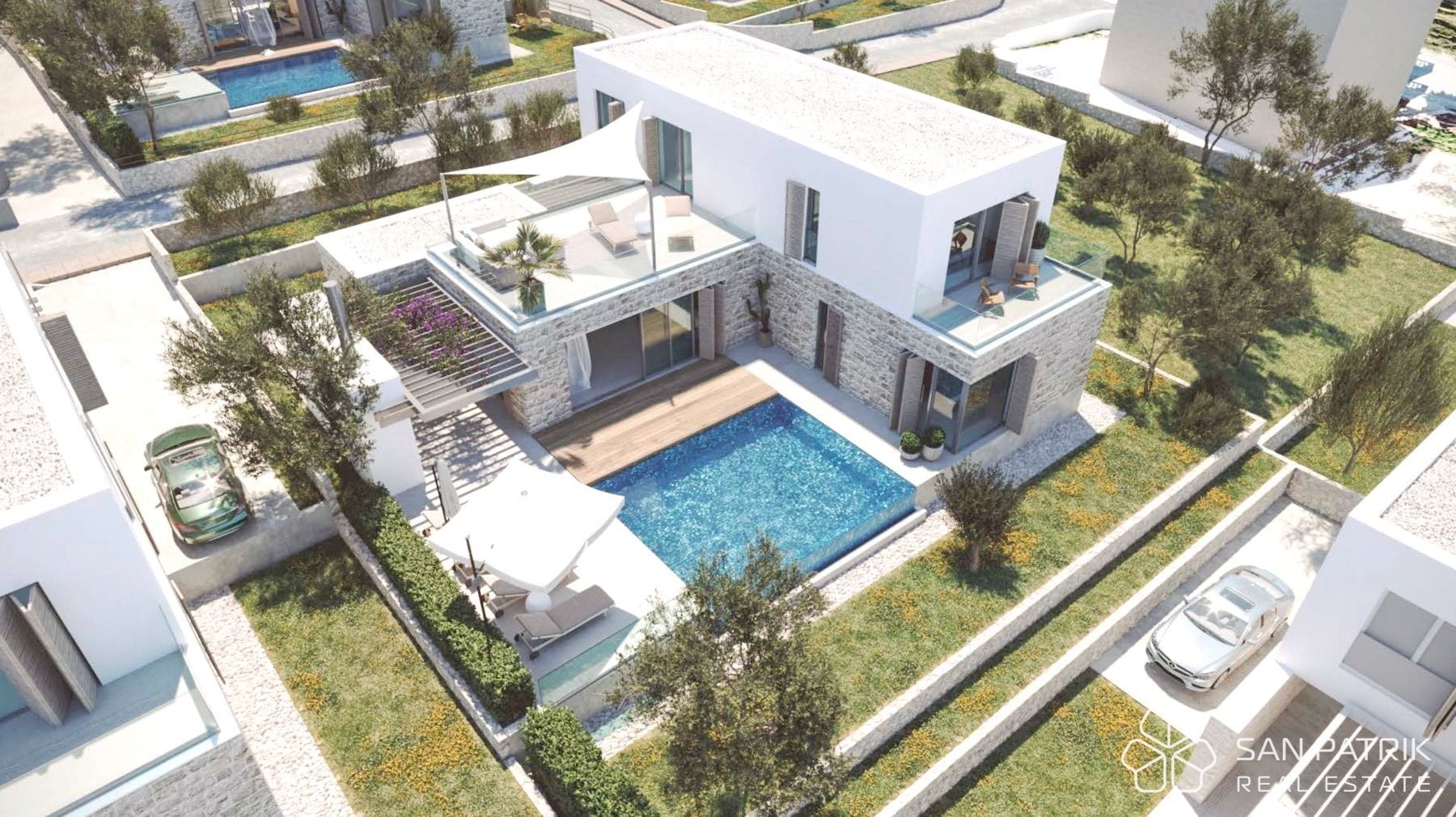
Exclusive Villa Brač
VILLA · 21400 Supetar, Split-Dalmatia County, Croatia
From EUR 1.10M
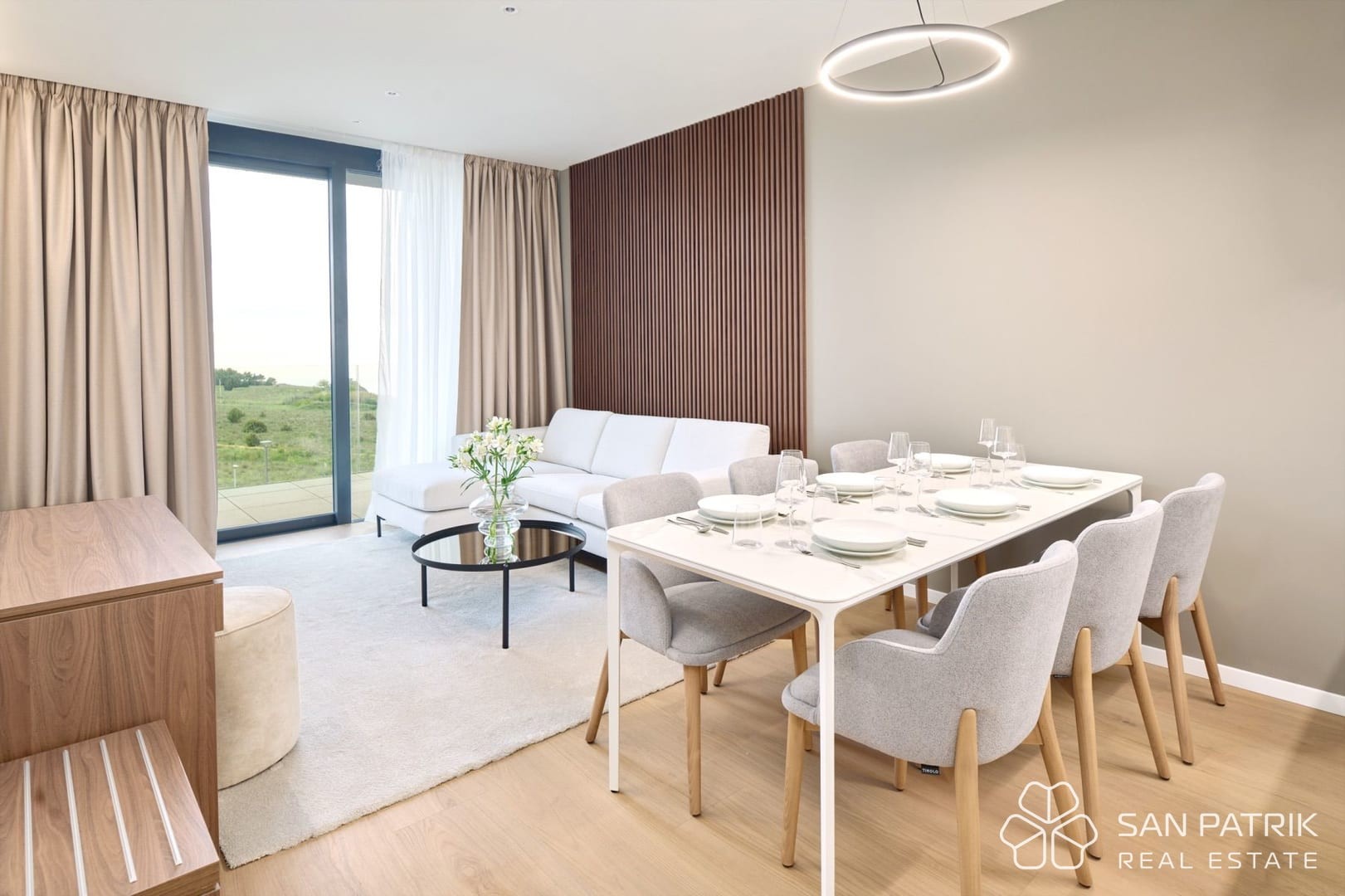
Petram Resort Residence
Apartment · 52475 Savudrija, Istria County, Croatia
From EUR 648K
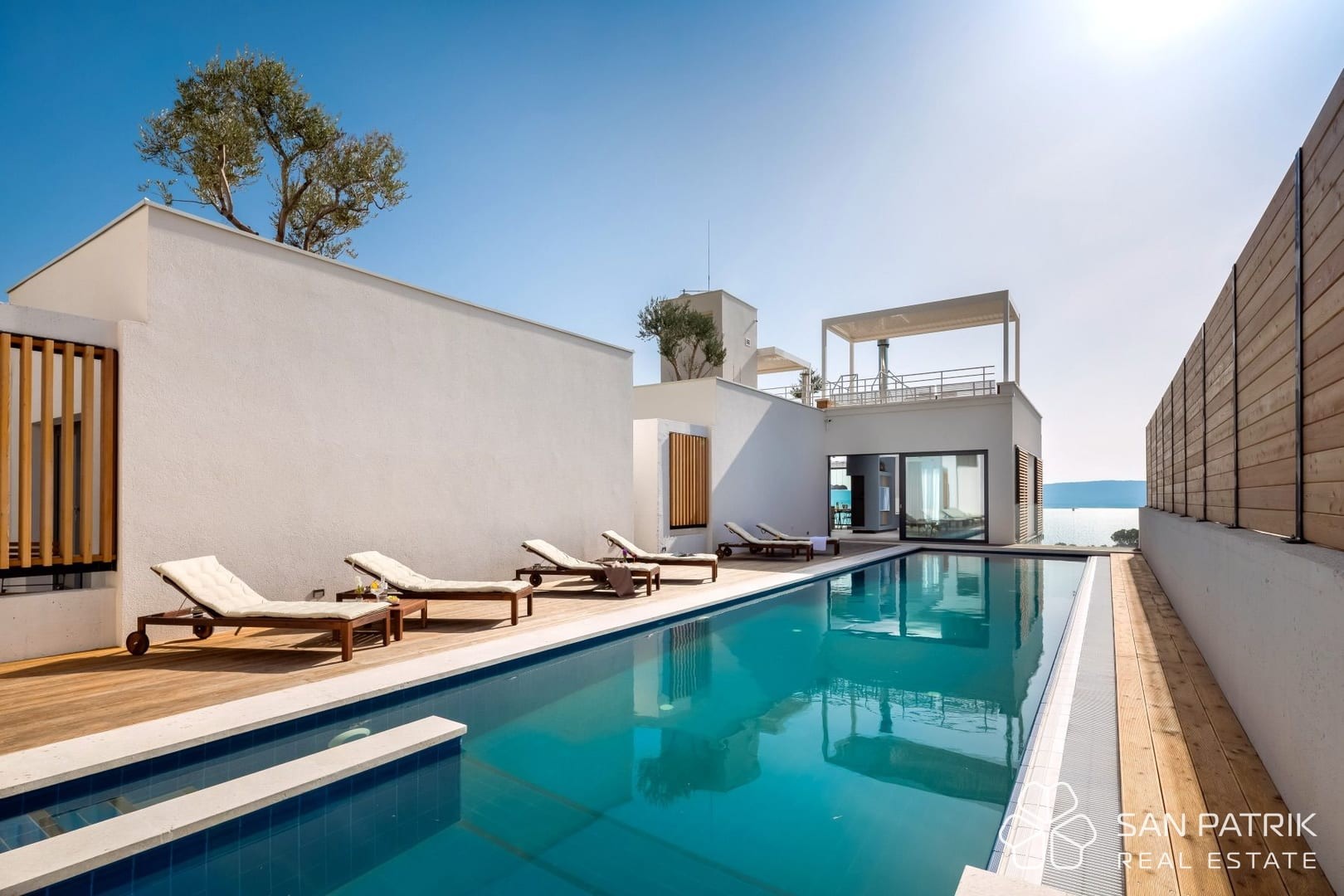
Villa Bura
VILLA · Marušići, 21310 Omiš, Split-Dalmatia County, Croatia
From EUR 1.40M
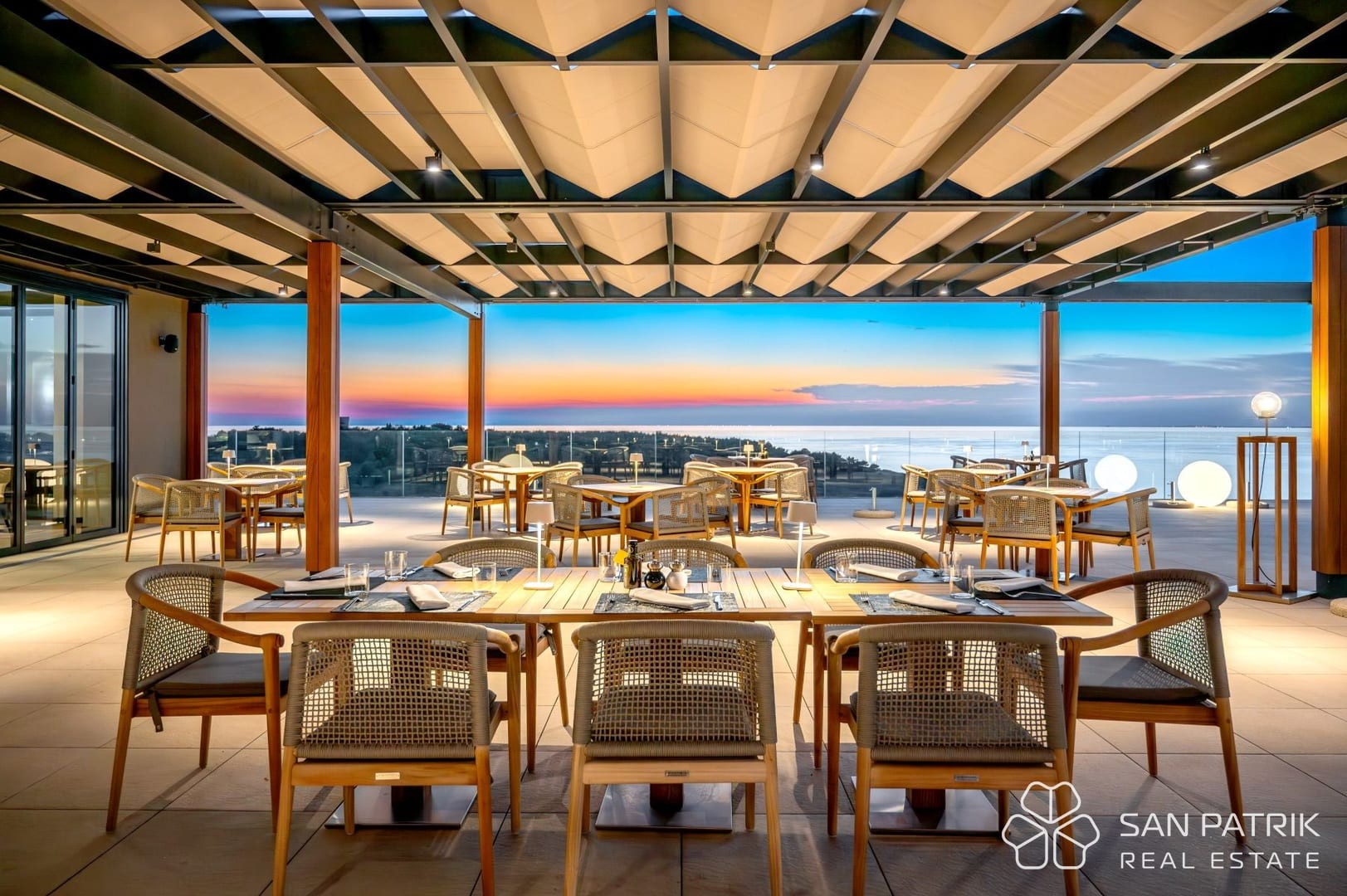
Petram Resort Penthouse
Apartment · 52475 Savudrija, Istria County, Croatia
From EUR 707.1K
Figures are indicative and subject to change. Regulations, taxes and market conditions vary by jurisdiction. Do your own due diligence and seek independent legal and financial advice.
More in Croatia
All city guides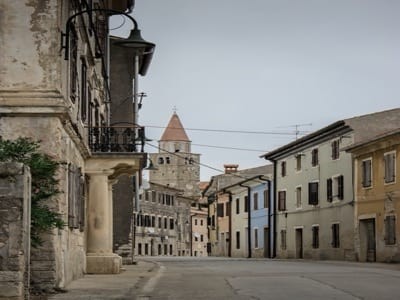
Buje City Guide
City guide
Buje, known historically as Buie, is an inland hilltop town roughly ten kilometres from the Istrian coast, called the sentinel of Istria for its position. It sits at the centre of Istria's most celebrated wine district, home to Momjan Muscat, a variety that won gold at the Brussels exhibition of 1935 and was served at the Habsburg and Italian royal courts. The buyer is typically Austrian, German or Slovenian, wanting a restored stone house, olive grove or vineyard and a view, ten minutes from the sea, at around 78 percent of the Umag coastal price, with strong Italian-language continuity also drawing buyers from Trieste and the Veneto. Asking prices are the cheapest in this northwest Istrian set at 3,454 euros per square metre. Two things buyers should weigh before committing: much of the attractive land around the hill town is classified agricultural, which non-EU buyers cannot acquire directly, and old stone houses commonly carry unresolved title spread across many heirs.
Average priceAsking 3,454 EUR/m2 (nekretnine.hr, July 2026), +3.8% y/y, the cheapest in the northwest Istrian set. Rent asking approx. 17.57 EUR/m2/month, +10.9% y/y.Rental yieldNot published for this locality; Croatia's national average gross yield was 4.21% in Q2 2026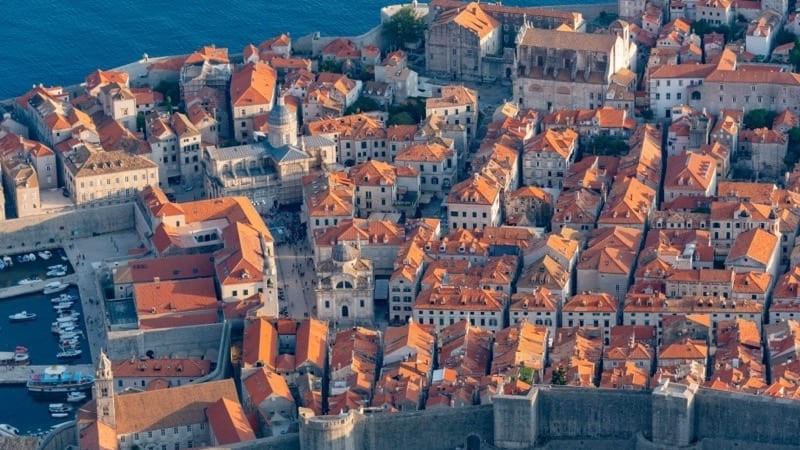
Dubrovnik City Guide
City guide
Dubrovnik is Croatia's most-prestigious coastal city and the 'Pearl of the Adriatic' — population 41,562 (city, only ~4,000 living within the UNESCO Old Town walls). The Old City of Dubrovnik was inscribed UNESCO World Heritage in 1979 — its medieval city walls, baroque streets, and limestone architecture have made it one of the Mediterranean's most-recognised destinations (further amplified by Game of Thrones filming the King's Landing scenes here 2011-2019). The city's prime market is ultra-luxury: Old Town €7,000+/m² with prime seafront/Old Town locations reaching €10,000/m². Even outside the Old Town, Dubrovnik commands €4,151-€4,700/m² (Jan 2026) — making it Croatia's most-expensive coastal market, 37% above Split. Foreign buyers dominate the ultra-prime segment: UK, US, German, Russian, Gulf-state, and increasingly Asian ultra-HNW.
Average price€780,000Rental yield3.55% city centre; 4.20% outside; 4-6% with seasonal/long-term mix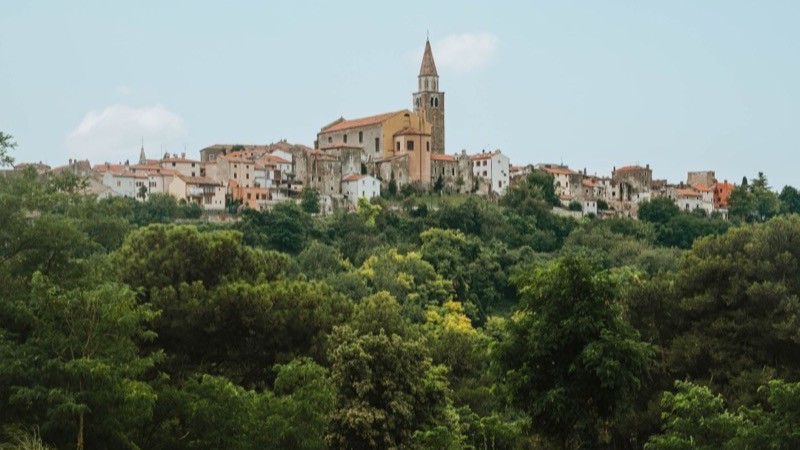
Grožnjan City Guide
City guide
Grožnjan, Grisignana in Italian, is a walled hilltop town in north-west Istria above the Mirna valley and the seat of a municipality of 656 people across ten settlements (2021 census). The town itself has 142 permanent residents. Artists began moving into its empty stone houses in 1965, about thirty of them became galleries and studios, and since 1969 the International Cultural Centre of Jeunesses Musicales Croatia has brought more than 20,000 young musicians here for summer courses. Italian is co-official: 35.8 percent of residents declared Italian ethnicity in 2021, and in 2001 Grožnjan was the only Croatian municipality with an Italian majority. Asking prices averaged 3,817 euros per square metre in September 2026, down 8.8 percent year on year and just under the Istria County average of 3,878, across only 95 properties for sale. Buyers find stone houses in the old town and its hamlets, rural houses with land, and building plots at around 100 euros per square metre, with the Parenzana cycling trail running through the municipality.
Average priceAsking 3,817 EUR/m2 (nekretnine.hr, September 2026), range 2,419-4,927 EUR/m2, -8.8% y/y, across 95 properties for sale, mostly houses and land. Istria County average 3,878 EUR/m2. No apartment/house split is published.Rental yieldAbout 4.0% gross on long-let asking rents (12.69 EUR/m2/month on only 3 listings, September 2026); holiday lets are seasonal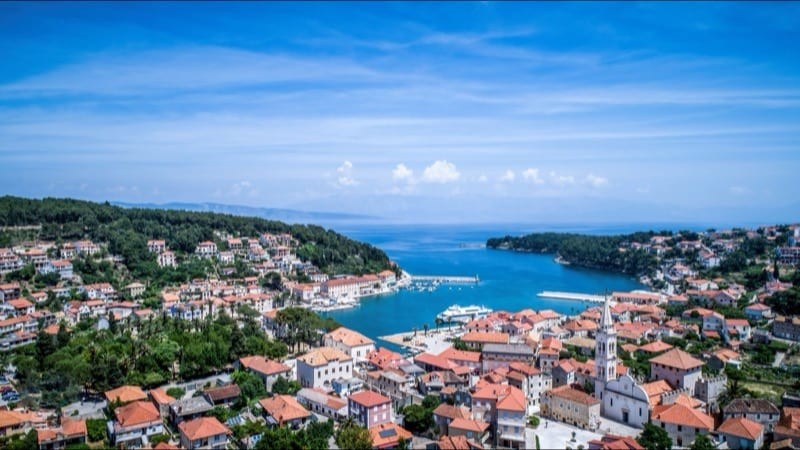
Hvar
City guide
Hvar is Croatia's glamour island, a sunlit Dalmatian destination where Hvar Town's Venetian piazza and Spanjola fortress sit above a yacht-filled harbour, and lavender fields and vineyards roll across the interior. It ranks among Croatia's most expensive markets alongside Dubrovnik, Opatija and Rovinj, with asking prices in Hvar municipality averaging around 4,530 EUR per m2 in 2026 and luxury seafront villas (200-350 m2) trading from roughly 1.5 to 6 million EUR. The Croatian islands carry a 15-25% per-m2 premium over the mainland, driven by limited buildable land and intense summer demand. Furnished stock dominates at over 75% of listings, as most homes double as short-term rentals. Island price growth, which ran double-digit in recent years, is now cooling to a more sustainable 3-7% for 2026. Gross yields are modest at roughly 3-3.5% given high values, but Hvar Town commands the strongest nightly rates and occupancy in the country. EU, EEA and Swiss buyers purchase freely; non-EU nationals buy via reciprocity with ministry approval. A 2025 annual property tax of 0.60-8 EUR per m2 applies.
Average price~4,530 EUR/m2 (municipality asking); luxury villas 1.5-6M EURRental yield3-3.5% gross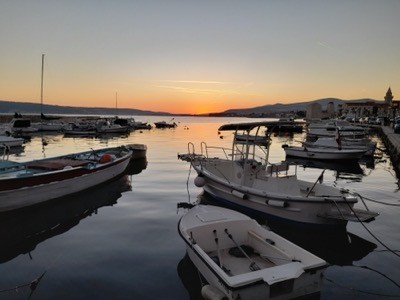
Kastel Novi City Guide
City guide
Kastel Novi is one of seven historic settlements collectively called Kastela, strung along seventeen kilometres of Kastela Bay between Trogir and Split, and it sits second from the Trogir end, immediately next to Split Airport. That adjacency, roughly five to ten minutes by road, is the entire investment thesis: almost no other Adriatic second-home location sits minutes from an international airport, and it turns two and three night stays into a viable let where a village an hour away cannot compete. The official transaction average for the town of Kastela overall is 2,610 euros per square metre, well below Split city's 3,738 and Trogir's 2,575, though that figure spans all seven settlements from an industrial edge near Split to a beachfront edge near the airport, so it is a reasonable but not exact read on Kastel Novi specifically. The town underneath the tourism is real, with close to 38,000 residents across Kastela, which supports genuine year-round rental demand from Split commuters and airport and aviation employees, alongside the summer season.
Average priceOfficial transaction average 2,610 EUR/m2 for the town of Kastela (MPGI table for application in 2026), spanning all seven settlements; new-build asking in Kastel Novi around 2,800 EUR/m2. No published villa price series for the settlement specifically.Rental yieldNo locality figure published; Croatia's national average gross yield was 4.21% in Q2 2026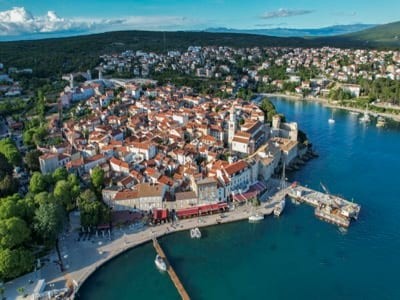
Krk City Guide
City guide
Krk town sits on the southwest coast of the island of Krk, in Primorje-Gorski Kotar County, road-connected to the mainland by a bridge rather than a ferry. Krk is also the name of the island itself and of the wider municipality, so any listing or search should be checked for which of the three it actually describes. The town's strongest draw is that it is an island reachable by car: the 1,430 metre Krk Bridge opened in 1980 and its toll was abolished in 2020, and Rijeka Airport sits on the same island roughly thirty minutes away, though the airport itself runs a seasonal-only schedule, so year-round access in practice means a two to three hour drive from Zagreb, Ljubljana, Trieste or Venice. Drive-market buyers from Austria, Germany, Slovenia and northern Italy dominate, alongside boat owners drawn by Marina Punat nearby. Asking prices reached 4,918 euros per square metre, though this figure is internally inconsistent with the portal's own sub-zone data and should be treated as indicative rather than precise.
Average priceAsking 4,918 EUR/m2 headline (nekretnine.hr, July 2026), +5.1% y/y, but internally inconsistent with sub-zone figures ranging 2,576-4,512 EUR/m2. Separate transaction benchmarks for other Krk island towns (Punat, Baska) sit around 3,500 EUR/m2 median.Rental yieldNot published for this locality; Croatia's national average gross yield was 4.21% in Q2 2026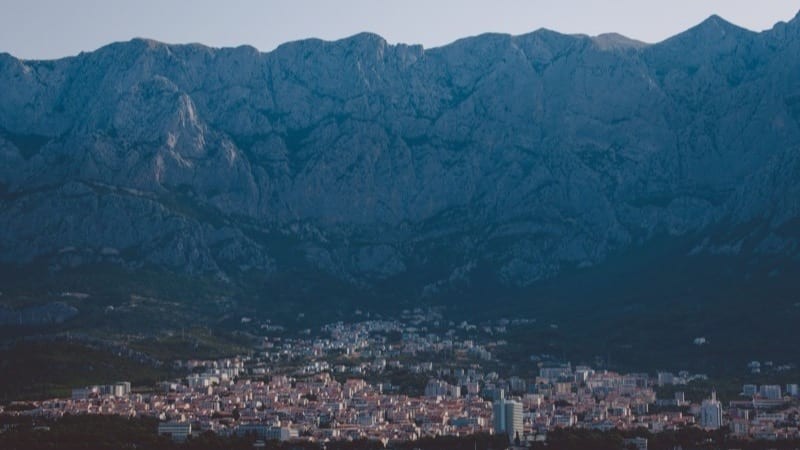
Makarska
City guide
Makarska is the capital of the Makarska Riviera, a dramatic 60 km stretch of pebble beaches squeezed between the Adriatic and the towering Biokovo massif, about 90 minutes south of Split. Its palm-lined harbour, long Donja Makarska beach and pine-shaded promenade make it one of Dalmatia's premier beach-tourism markets. In 2025 Central Dalmatia averaged roughly €4,090/m², with Makarska-area apartments slightly below that on larger supply; first-row seafront apartments on the riviera start near €2,500/m² and prime new builds reach €4,500-5,500/m². Gross rental yields sit around 4-5%, supported by record 2025 visitor numbers and intense July-August occupancy that makes summer short-lets highly productive. Croatian prices are forecast to rise 4-7% in 2026, coastal towns at the upper end. EU, EEA and Swiss nationals buy on the same terms as Croatians; non-EU buyers acquire via the reciprocity principle with Ministry of Justice consent (1-6 months), with OECD-parity reforms approaching. Investors weigh Makarska's exceptional beach product and rental engine against pronounced seasonality. The town suits buyers wanting a high-occupancy beach-let or a sun-and-mountain lifestyle base in Central Dalmatia.
Average price€4,000/m²Rental yield4.0-5.0%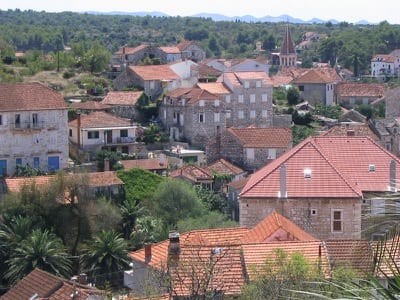
Milna City Guide
City guide
Milna sits on the western tip of the island of Brac in a deep, sheltered bay that Venetian sailors called the bay of a thousand ships. There are two other Milnas on nearby Croatian islands, on Hvar and on Vis, and their coordinates differ by fractions of a degree, so any address must be confirmed against the land registry rather than a map search. This is the safest natural harbour on Brac and a genuine sailing address: it sits at the mouth of the Split Channel, making it a common first or last stop for Central Dalmatian charter traffic, and it holds two marinas. The buyer profile follows the boats, predominantly German, Austrian, Italian and Slovenian sailors buying a stone house within walking distance of a berth, in a village quieter and less commercial than Supetar. No settlement-level price index exists; the only reliable figures are island-wide, and ferry service to Split collapses from up to five sailings a day in summer to as few as one in winter, which is a genuine practical constraint for anyone planning year-round use.
Average priceNo settlement-level index exists; island-wide Brac asking prices run approx. 3,500-4,800 EUR/m2, typical whole homes 190,000-780,000 EUR. A 338 m2 villa in Milna asked 1.35m EUR (approx. 4,000 EUR/m2). Asking prices only.Rental yieldAt or below the 5-7% gross Dalmatian band; no locality-specific figure published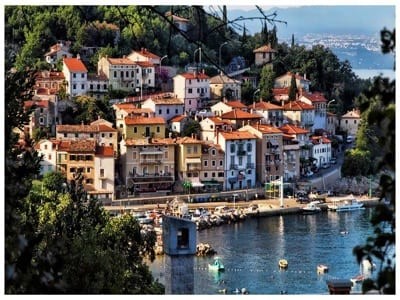
Moscenicka Draga City Guide
City guide
Moscenicka Draga is a seaside settlement in Primorje-Gorski Kotar County, on the Opatija riviera under Mount Ucka, despite sitting geographically on the Istrian peninsula, which leads many feeds to mislabel it as part of Istria County. It is the seaside port below Moscenice, a separate medieval hilltop village 173 metres above it, connected by road and by 750 stone steps; a listing in Moscenice is a hillside stone-village property with no beach frontage, while a listing in Moscenicka Draga itself is waterfront, and the two are materially different products despite sharing a postcode. The draw here is Opatija-riviera prestige at a discount: nearby Opatija and Lovran transact well above this settlement's asking price, and the buyer base is the same Austrian, German, Slovenian and northern-Italian second-home cohort with a two-century Habsburg-era holiday tradition behind it. This is a very thin market, only 120 listings across a municipality of under 1,300 people, and the honest read is that most published price movement here is statistical noise rather than a real trend.
Average priceAsking 4,183 EUR/m2 (nekretnine.hr, July 2026), +1.06% y/y, across only 120 listed units. County-wide Primorje-Gorski Kotar ranges quoted on the same portal (1,698-5,471 EUR/m2) are NOT specific to this settlement and should not be published as a local range.Rental yieldNot published for this locality; a reported rental jump of over 60% is a small-sample artifact and must not be treated as a trend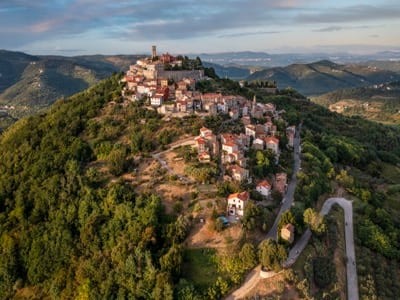
Motovun City Guide
City guide
Motovun is an inland walled hilltop town in Istria, set 270 metres above the Mirna valley and known historically as Montona. It is a classic stone-house renovation market, Venetian and Istrian stone in the walled core and the surrounding hamlets of Brkac and Kaldir, bought as second homes and boutique rentals against a backdrop of truffles, Teran wine and Malvazija. Buyers follow the county pattern, Slovenian, German, Austrian, Czech, Hungarian and Italian. Asking prices reached 3,757 euros per square metre, up 3.2 percent year on year, across a thin market of only 115 properties for sale, where a single sale can move the average. One correction matters more than any price figure: the Motovun Film Festival, long the town's headline claim, relocated after 2023 to Petehovac in Gorski Kotar and now runs as a separate event called Cinehill. A great deal of travel and agency copy still sells Motovun on a festival that no longer happens there.
Average priceAsking 3,757 EUR/m2 (nekretnine.hr, July 2026), +3.2% y/y, across 115 properties for sale - overwhelmingly houses rather than apartments. No apartment/house split is separately published.Rental yieldNot published for this locality; Croatia's national average gross yield was 4.21% in Q2 2026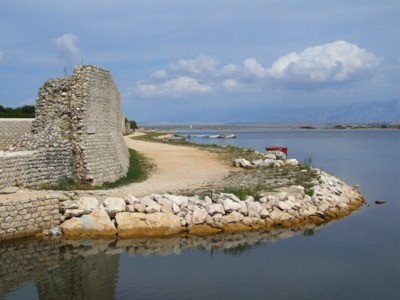
Nin City Guide
City guide
Nin is a small town on the northern Dalmatian sand coast whose historic core sits on a 500-metre islet in a shallow lagoon, joined to the mainland by two sixteenth-century stone bridges. It was Roman Aenona and later Croatia's first royal town, and it remains the heritage and amenity anchor of the coast between Zadar and Vir. The town proper counts 2,705 residents across six settlements, of which the historic core holds only 1,101; Zaton, its neighbour within the same municipality, carries most of the tourism capacity, so listings advertised as Nin are frequently in Zaton. Buyers pay a premium over neighbouring Privlaka, Vir and Vrsi for the old town, the saltworks and Queen's Beach, and the official transaction average of 2,656 euros per square metre reflects that. The buyer base is the same Slovenian, German, Austrian and Czech drive-in second-home market as the rest of the sand coast, with an additional draw from the lagoon's therapeutic peloid mud.
Average priceAsking average 4,385 EUR/m2 for Nin municipality (nekretnine.hr, September 2026); official transaction average 2,656 EUR/m2 (MPGI table for application in 2026). Most of the gap is new sea-view stock, which lists at 5,500-7,500 EUR/m2 in Zaton.Rental yield4-6% gross before costs, tax, management and voids; no town-level series published
Novalja City Guide
City guide
Novalja is a town on the northern part of the island of Pag, in Lika-Senj County rather than Zadar County, despite many booking and portal feeds mislabelling it as Dalmatian. Pag is the only Croatian island administratively split between two counties, with Novalja and the island's north under Lika-Senj and the town of Pag itself under Zadar. Novalja carries two almost disjoint markets stacked on top of each other. Zrce beach, around two kilometres away, is Croatia's leading party-tourism destination, home to several major beach clubs and driving a young, high-density, extremely short rental window. Stara Novalja, Lun and Metajna on the quieter north of the island are family and second-home territory, a completely different buyer. Asking prices reached 3,587 euros per square metre, but this is the most seasonally concentrated market in the whole Croatian set, with a genuine revenue window of roughly six to eight weeks in July and August and very little demand outside it.
Average priceAsking 3,587 EUR/m2 (nekretnine.hr, July 2026), +4.5% y/y, across 896 listed units. A separate transacted-price estimate for family houses on Pag runs lower, approx. 2,872 EUR/m2, and should be re-verified before use.Rental yieldNot published for this locality; do not assume a figure given the extreme seasonal concentration of demand
Croatia country guide
Country guide