Development Guide

Kenya Property Development Opportunities 2025: Construction and Development Investment Guide

7 min read

Explore Kenya property development opportunities in 2025. From construction projects to development strategies, discover how to capitalize on Kenya's growing real estate market. [#KenyaPropertyDevelopment #ConstructionInvestment]

Abhii DabasByAbhii Dabas

Introduction

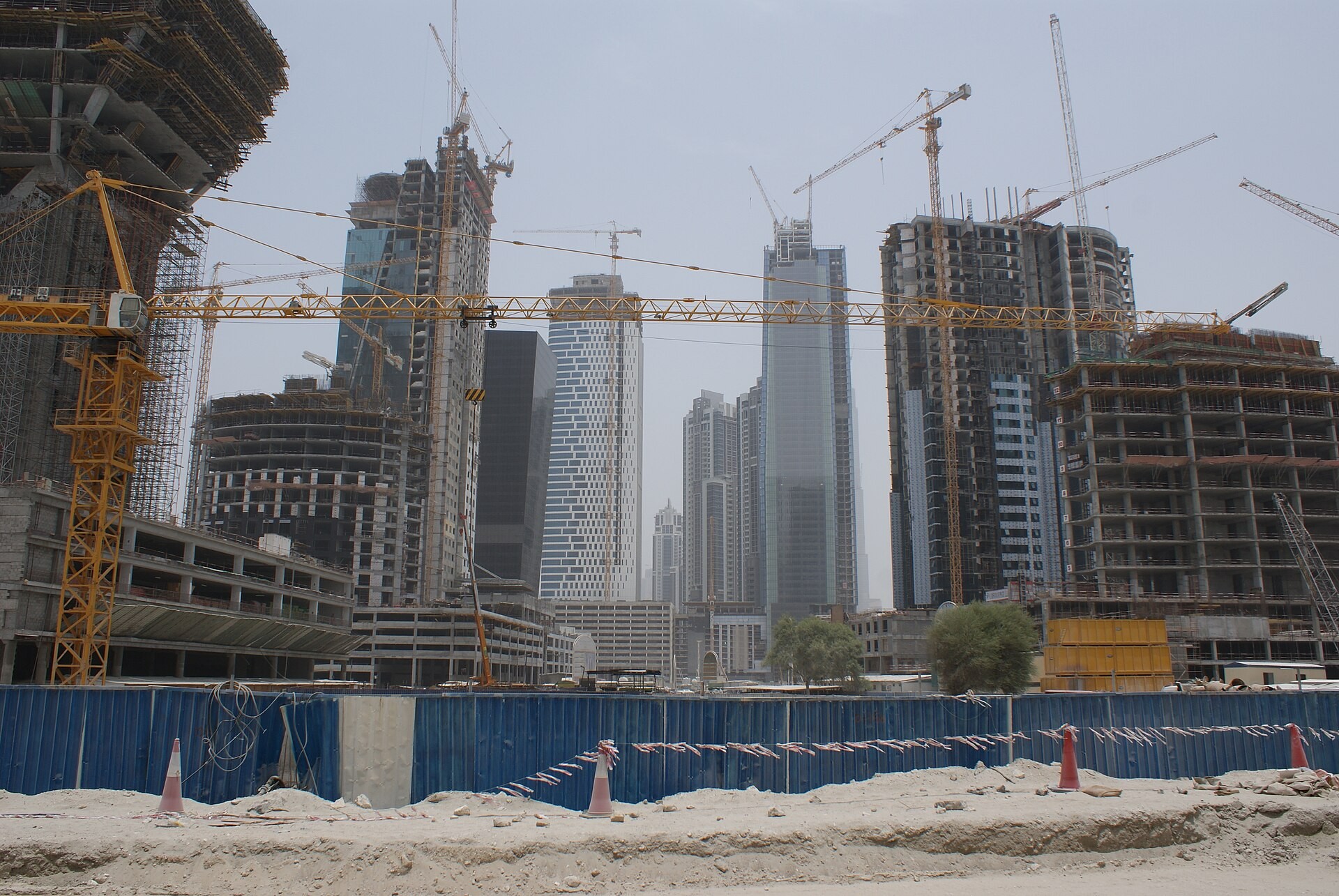
Kenya's property development sector is at the forefront of East Africa's real estate boom, offering unparalleled opportunities for developers and investors. With its growing economy, expanding middle class, and significant infrastructure investments, Kenya presents a compelling case for property development investment. Understanding the market dynamics, regulatory framework, and development strategies is essential for success.

Market Overview and Growth Drivers

Urbanization Trends. Rapid urbanization is driving demand for residential and commercial properties. Nairobi and other major cities are experiencing significant population growth and development pressure.
Economic Growth. Kenya's growing economy and expanding middle class are creating demand for quality housing and commercial spaces. GDP growth and job creation support property development.
Infrastructure Development. Major infrastructure projects, including the Standard Gauge Railway and road networks, are improving connectivity and driving property values in connected areas.

Development Opportunities by Sector

Residential Development. Strong demand for affordable and middle-income housing presents significant opportunities. Focus on areas with good infrastructure and connectivity for optimal returns.
Commercial Real Estate. Growing demand for office spaces, retail properties, and industrial facilities driven by business expansion and foreign investment. Prime locations command premium rents.
Mixed-Use Developments. Integrated developments combining residential, commercial, and retail components are gaining popularity. These projects offer diversification and higher returns.

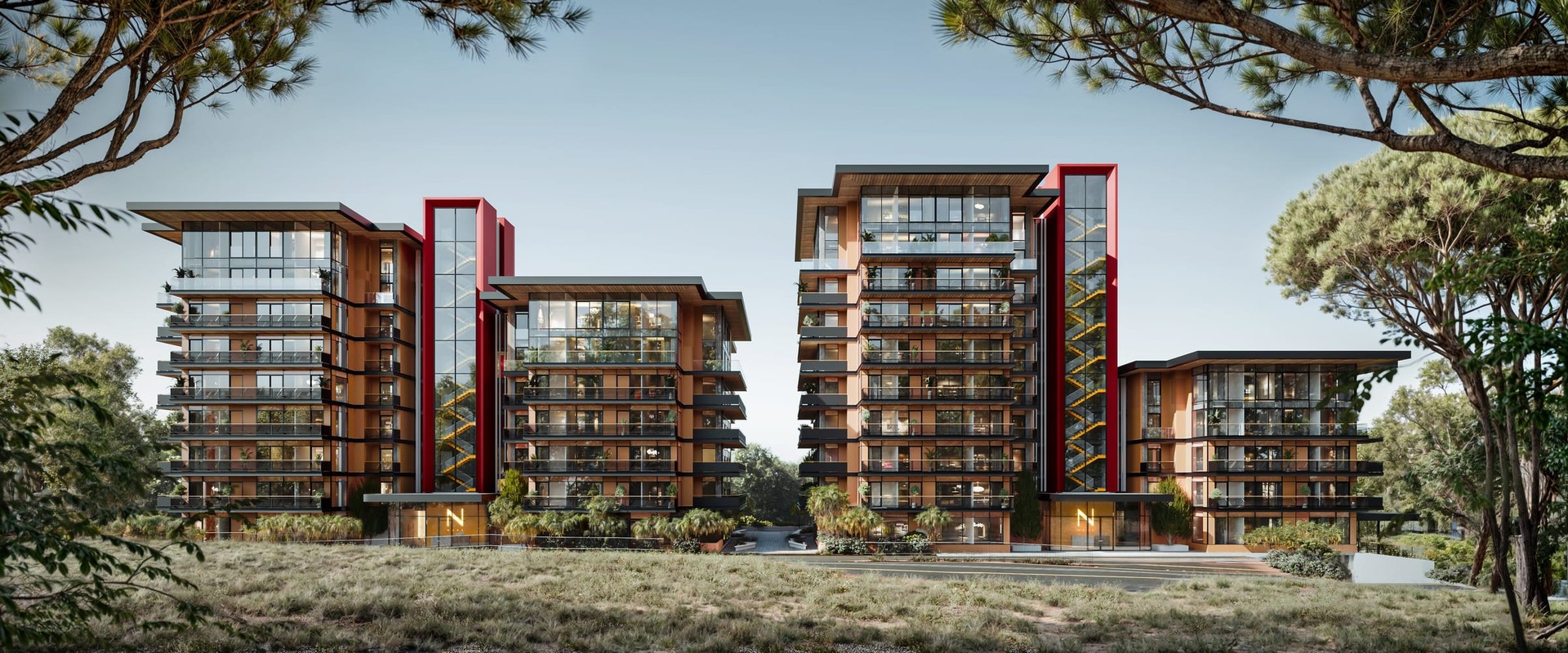
On INTRIC now — Residences in KENYA are open to enquiry straight from this page.
Regulatory Framework and Compliance

Planning and Development Control. Development projects must comply with local planning regulations and obtain necessary permits. Environmental impact assessments may be required for large projects.
Building Codes and Standards. Construction must meet national building codes and safety standards. Professional architects and engineers must be engaged for design and supervision.
Land Ownership and Title. Secure land ownership and clear title are essential. Due diligence on land ownership and potential disputes is crucial before development begins.

Financing and Investment Strategies

Development Financing. Various financing options are available, including bank loans, private equity, and joint ventures. Development finance typically requires 20-30% equity contribution.
Investment Structures. Consider different investment structures, including direct development, joint ventures, and REITs. Each structure has different risk and return profiles.
Risk Management. Development projects carry significant risks. Proper risk assessment, insurance coverage, and contingency planning are essential for project success.

Key Development Areas and Locations

Nairobi Metropolitan Area. The capital city offers diverse opportunities, from high-end residential developments to commercial projects. Focus on areas with good infrastructure and growth potential.
Coastal Regions. Tourism and hospitality developments along the coast present unique opportunities. Consider mixed-use developments combining residential and tourism components.
Emerging Cities. Secondary cities like Mombasa, Kisumu, and Nakuru offer development opportunities with lower land costs and growing demand.

Challenges and Risk Factors

Regulatory Complexity. Navigating regulatory requirements can be complex and time-consuming. Professional legal and regulatory advice is essential for compliance.
Infrastructure Constraints. While infrastructure is improving, some areas may still face challenges with utilities and transportation. Consider infrastructure availability in site selection.
Market Volatility. Property markets can be volatile, and development projects are sensitive to economic conditions. Careful market analysis and risk management are crucial.
Author
Abhii Dabas
Abhii DabasFounder & CEO, INTRIC Global

Abhii Dabas is the Founder and CEO of INTRIC Global, the cross-border property intelligence platform for serious investors. He advises high-net-worth buyers on international real estate strategy and has evaluated residential markets across more than 40 countries.

Share this

Subscribe to the INTRIC newsletter

Curated market intelligence, new buying guides and the listings worth knowing about, across 70+ markets.

No spam, unsubscribe any time.