Sustainability

The Green Premium Is Real: How ESG Compliance Is Splitting Real Estate Into Winners and Losers

8 min read

Sustainability is splitting real estate into winners and losers. Green buildings command 25% premiums while brown assets decline. Here's how to position your portfolio. [#ESGRealEstate #GreenPremium #SustainableInvesting]

Abhii DabasByAbhii Dabas

Introduction

In 2026, sustainability is no longer optional for real estate investors — it is a hard financial differentiator. Green-certified buildings now command rental premiums of 6-11% and sale price premiums of up to 25% over conventional equivalents, while non-compliant "brown" assets face declining occupancy, rising retrofit costs, and regulatory penalties. With 62% of new commercial leases containing green provisions and Asia-Pacific leading the world in new green-certified developments, the divide between winners and losers in real estate is increasingly defined by ESG performance.

The Green Premium by the Numbers

Rental Premium. Green-certified buildings command rental premiums of 6-11% globally, with high-sustainability properties in major US markets achieving premiums of 12-28% over non-certified equivalents. These premiums are not theoretical — they reflect measurable tenant demand for energy-efficient, wellness-oriented spaces that reduce operating costs and support corporate sustainability commitments.
Capital Value Impact. The combined effect of increased rents, reduced vacancies, and lower operating costs translates to a 10-21% increase in market value for green-certified buildings, according to EY analysis. Sale price premiums of up to 25% have been documented in markets where sustainability certification is scarce and tenant demand is high.
Green Lease Adoption. 62% of new commercial leases now contain green provisions — up from approximately 50% just two years prior. Green leases reduce office building energy consumption by 11-22% on average, creating tangible cost savings that justify premium rents and drive tenant retention.

Market-by-Market ESG Impact

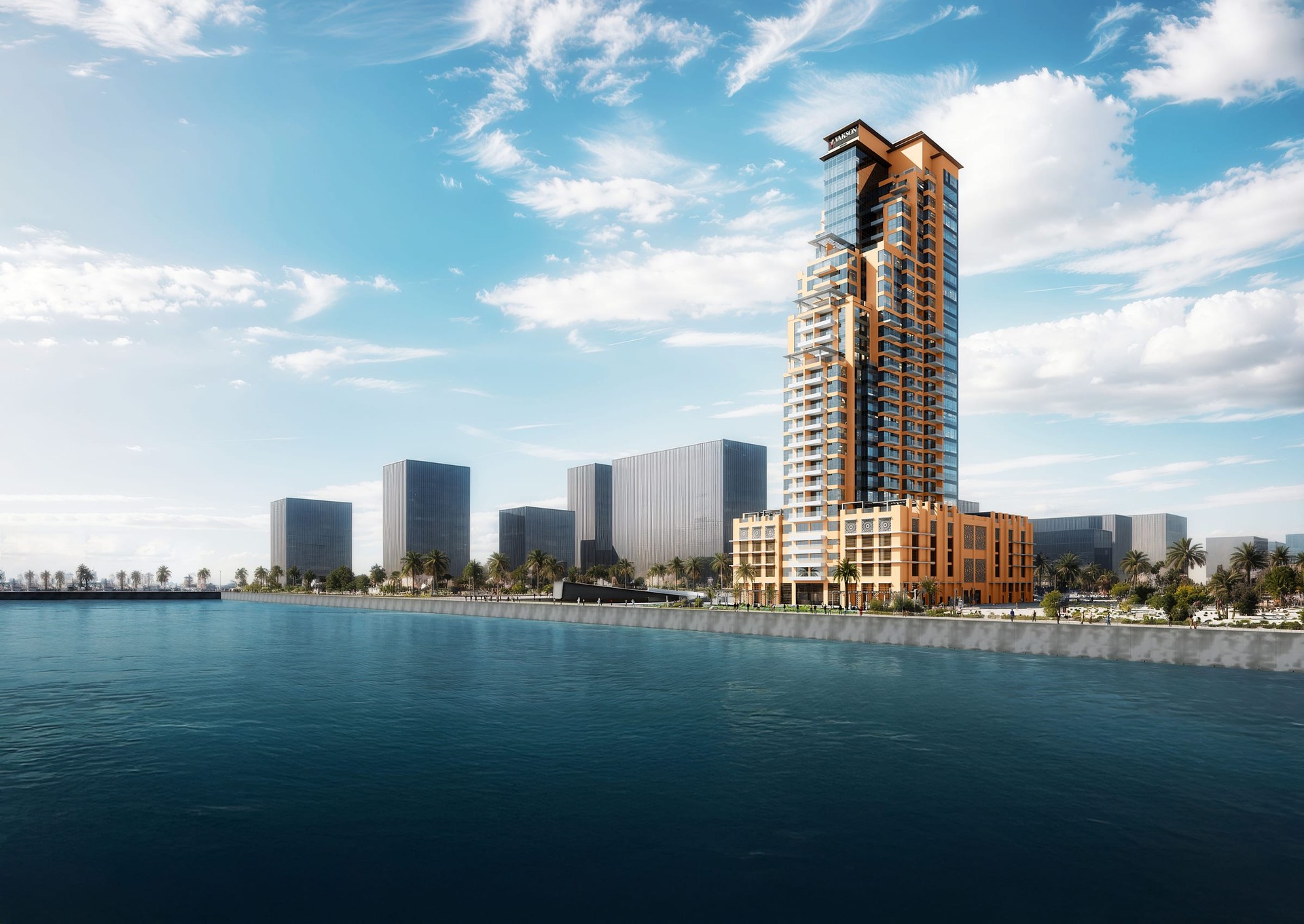
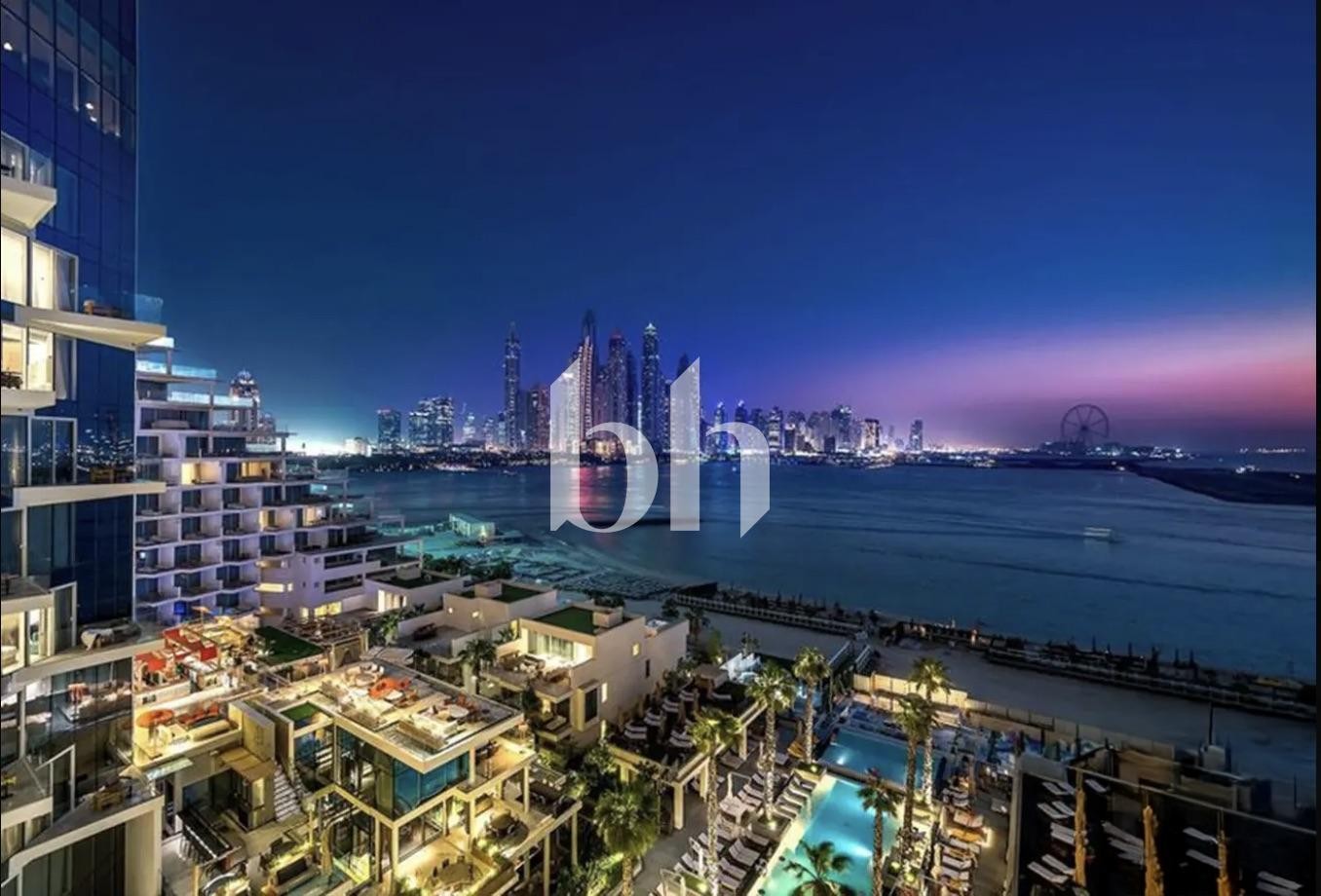
UAE — Al Sa'fat Leading the Way. Dubai's Al Sa'fat green building rating system is increasingly mandatory for new developments. Green-certified residential properties in Dubai are achieving 8-15% premium valuations, as the government pushes toward its 2050 net-zero target. For investors, sustainability compliance is becoming a prerequisite for accessing premium tenant pools and institutional resale buyers.
United Kingdom — Regulatory Tightening. The UK's upcoming Renters' Rights Act (effective May 2026) and tightening EPC rating requirements are creating a clear divide between compliant and non-compliant properties. Buildings rated EPC-C or above command measurably higher rents, while properties below minimum standards face letting restrictions and costly retrofit obligations.
Japan — Emissions Reporting Driving Retrofits. Tokyo's mandatory emissions reporting for large buildings is driving significant retrofit investment and creating green premium pricing in the office and residential sectors. Certified buildings in central Tokyo wards are attracting institutional tenants willing to pay 8-12% above market rates for ESG-compliant spaces.
France — New Build Advantage. France's structural housing shortage means green-compliant new builds in Paris, Lyon, and Toulouse command substantial premiums. With RE2020 environmental regulations among the strictest in Europe, investors acquiring new-build certified stock benefit from both regulatory compliance and scarcity-driven pricing power.

On INTRIC now — Residences on INTRIC are open to enquiry straight from this page.

The Brown Discount — What Happens to Non-Compliant Assets

The Brown Discount Is Accelerating. Non-compliant buildings are experiencing a widening "brown discount" — lower rents, higher vacancy, increased insurance costs, and declining institutional buyer interest. In mature markets like London and Tokyo, the spread between green and brown asset valuations is widening by 2-3 percentage points annually, creating urgency for repositioning.
Stranded Asset Risk. Buildings that cannot economically be retrofitted to meet evolving sustainability standards risk becoming stranded assets — properties that lose value permanently as regulations tighten and tenant preferences shift. Investors should conduct energy audits and retrofit feasibility assessments before acquiring any asset built before 2015.
Greenwashing Scrutiny. As ESG claims come under increasing regulatory and public scrutiny, superficial sustainability measures are being exposed. Investors should demand third-party certification (LEED, BREEAM, NABERS) and verified energy performance data rather than relying on marketing claims.

Investment Strategy — Capturing the Green Premium

Prioritize Certified New Builds. New construction built to current green standards offers the most straightforward path to capturing the green premium. In markets with strict building codes like France and the UAE, new-build certified stock commands premiums while avoiding costly retrofit requirements.
Value-Add Through Retrofit. For investors comfortable with operational complexity, acquiring brown assets at discounted prices and retrofitting to green standards can generate exceptional returns. The typical payback period for energy efficiency retrofits is 3-5 years, with ongoing operating cost savings of 20-30% post-completion.
Wellness Integration. More than two-thirds of people worldwide now expect wellness-enhancing experiences integrated into every type of space, according to JLL research. Properties that combine energy efficiency with wellness features — natural lighting, air quality monitoring, biophilic design — command the highest premiums and lowest vacancy rates.

On INTRIC now — Still open on INTRIC — every one of these answers enquiries directly.
Conclusion

The green premium is not a trend — it is the new baseline for real estate value creation. As regulations tighten globally and tenant expectations evolve, the gap between sustainable and non-sustainable assets will only widen. Investors who position their portfolios on the right side of this divide — through certified new acquisitions, strategic retrofits, and wellness integration — will capture premium returns while building resilience against regulatory and market risk. The cost of inaction is no longer theoretical; it is measurable, growing, and permanent.
Author
Abhii Dabas
Abhii DabasFounder & CEO, INTRIC Global

Abhii Dabas is the Founder and CEO of INTRIC Global, the cross-border property intelligence platform for serious investors. He advises high-net-worth buyers on international real estate strategy and has evaluated residential markets across more than 40 countries.
Share this

Subscribe to the INTRIC newsletter

Curated market intelligence, new buying guides and the listings worth knowing about, across 70+ countries.

No spam, unsubscribe any time.