
Family offices are the smartest buyers in real estate right now — and the data from JP Morgan, CNBC, and Campden shows exactly where they're deploying capital in 2026. #FamilyOffice #RealEstate #PrivateWealth #INTRIC
 ByAbhii Dabas
Opportunistic Acquisitions: How Family Offices Are Deploying
On INTRIC now — Residences on INTRIC are open to enquiry straight from this page.
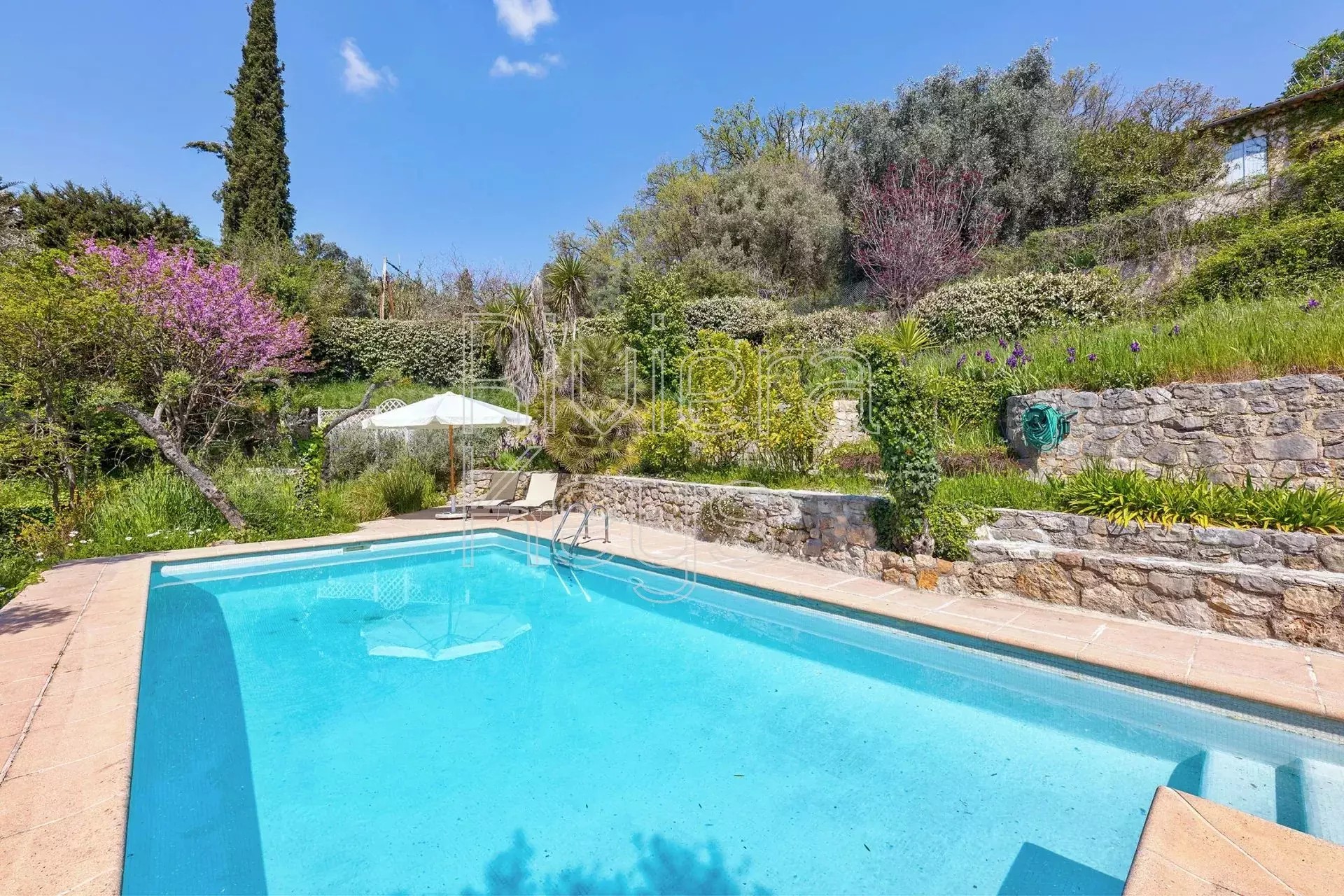
Montauroux Architect Villa
HOUSE · Montauroux, 83440, Var, Provence-Alpes-Cote d'Azur, France
EUR 950K – EUR 1.65M

Nobu Residences
APARTMENT · POA - Son Tra, Danang, Vietnam
USD 180K – USD 2.70M
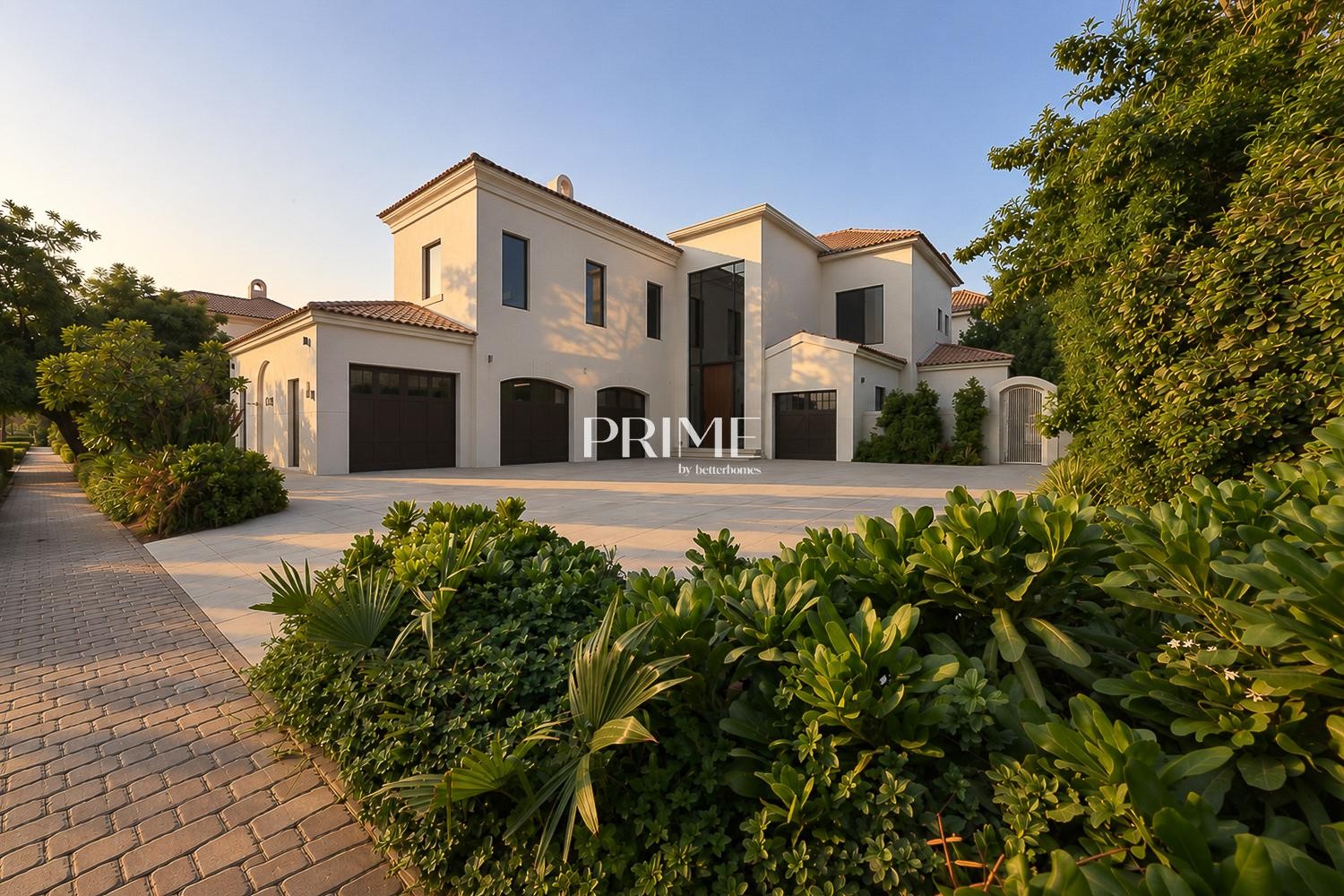
Redwood Avenue
HOUSE · Dubai, Jumeirah Golf Estates, United Arab Emirates
From AED 53.99M

NEXT Address
Apartment · 11 Tbel Abuseridze Str, Batumi, 6010, Georgia
USD 50.9K – USD 191.2K
Global Real Estate: Where Family Offices Are Looking Internationally
On INTRIC now — Still open on INTRIC — every one of these answers enquiries directly.

Riva Residences
APARTMENT · Dubai Maritime City, Dubai, United Arab Emirates
AED 2.53M – AED 5.80M

Q Gardens Lofts 2
APARTMENT · Q Gardens Lofts 2, District 12, Jumeirah Village Circle, Dubai, United Arab Emirates
From AED 597K
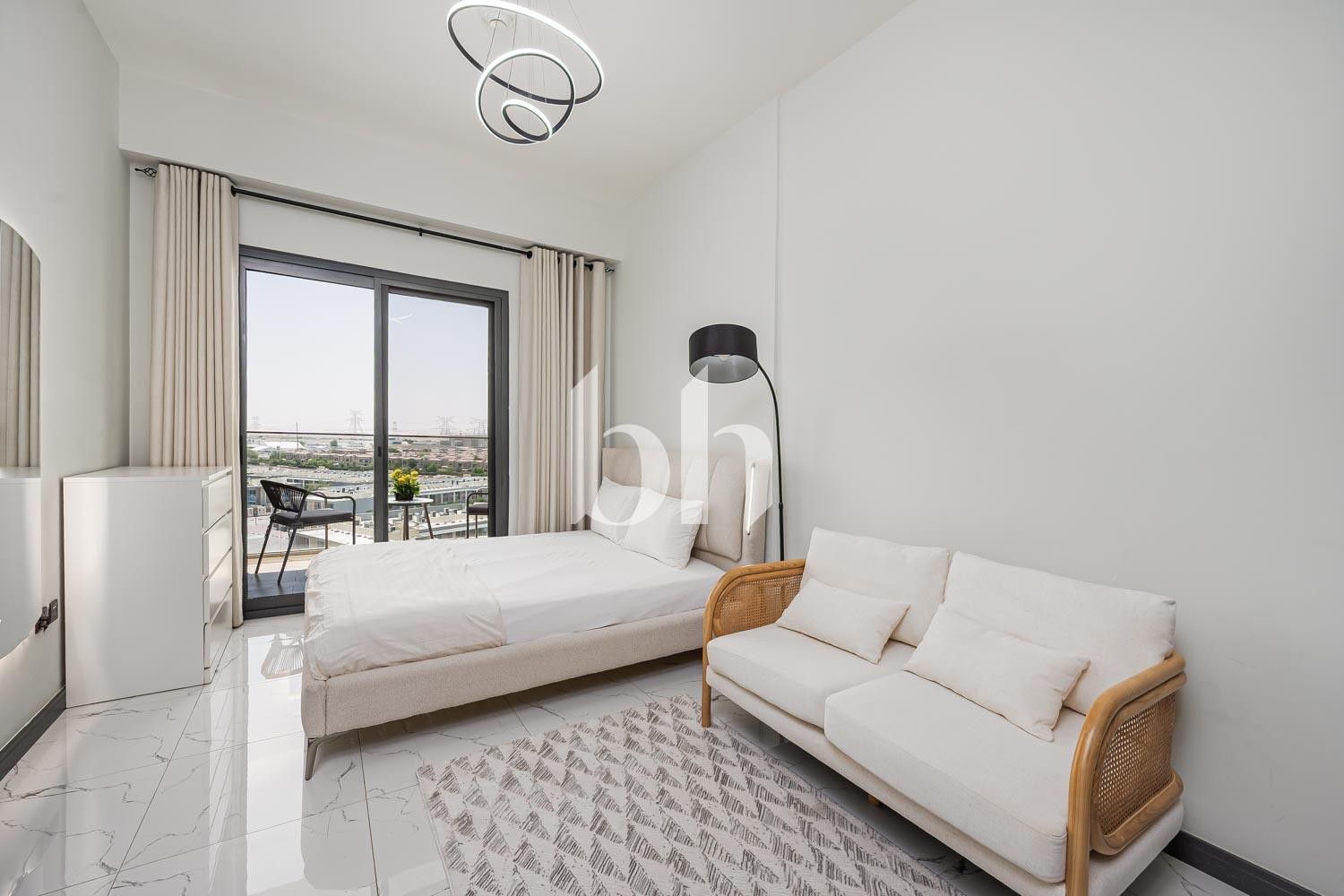
Rukan Tower B
APARTMENT · Rukan Tower B, Rukan Tower, Dubai Land, UAE
AED 555K – AED 850K

Riviera Residences
Apartment · Al Reem Island, Abu Dhabi, UAE
AED 1.90M – AED 4.85M
Sources
- J.P. Morgan Private Bank — 2026 Global Family Office Report
- CNBC — Family Offices Make Opportunistic Bets on Real Estate as Investors Sit on Sidelines
- CNBC — Family Offices Brace for Higher Inflation with Real Estate and Alternative Investments
- Commercial Observer — Family Offices Are Diving More Into Commercial Real Estate
- Crain Currency — What Family Offices Want From Real Estate in 2026
- Fortune — Great Wealth Transfer: Family Office Real Estate Rethink
- Asora — Complete 2026 Guide to Real Estate Investments for Family Offices
- Wealth Management — Inside the Family Office Advantage in Private Real Estate
Abhii Dabas is the Founder and CEO of INTRIC Global, the cross-border property intelligence platform for serious investors. He advises high-net-worth buyers on international real estate strategy and has evaluated residential markets across more than 40 countries.